

Introduction to Industrial Microbiology and Microbial Diversity
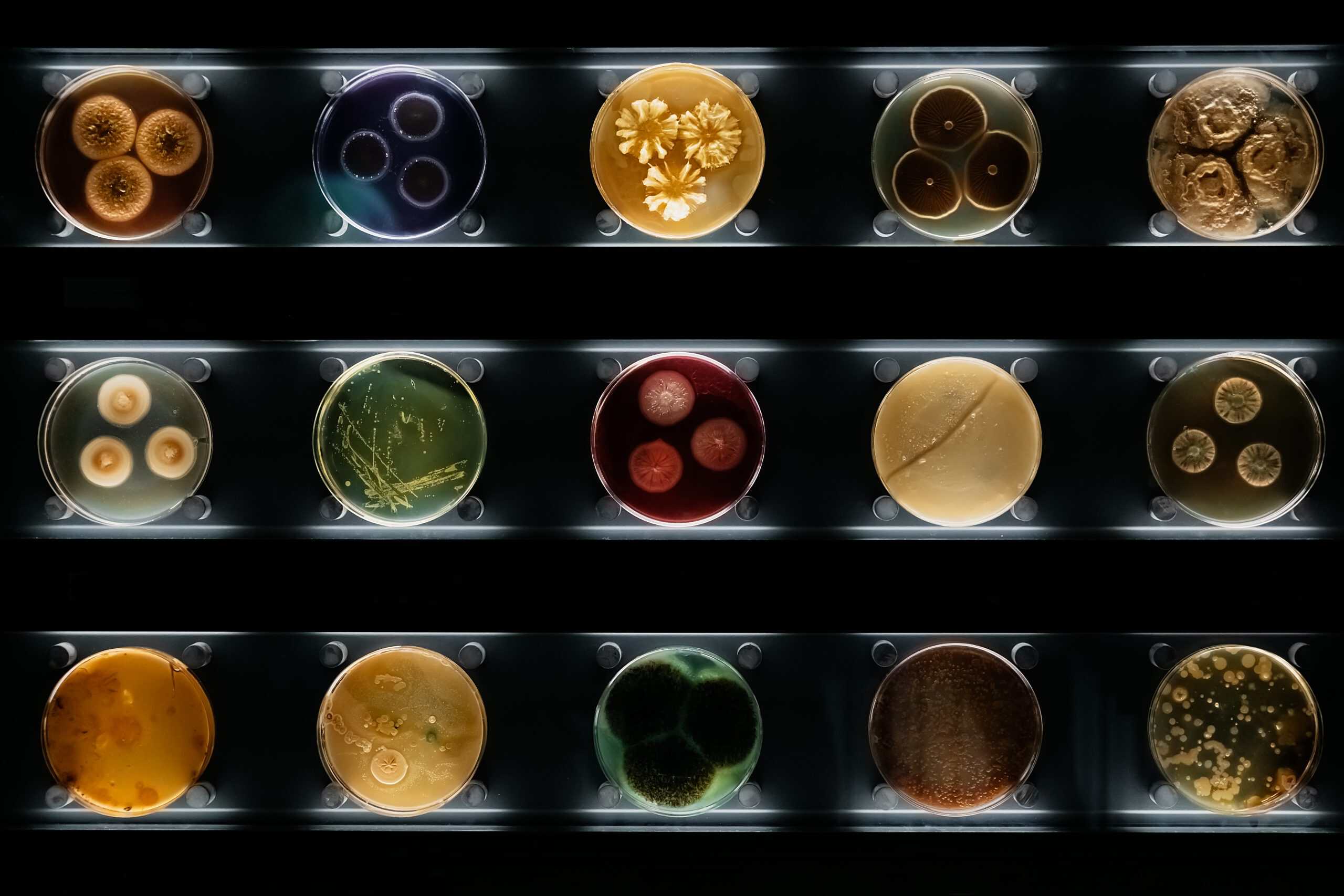
Industrial microbiology has become one of the most important scientific and technological fields supporting modern biotechnology, pharmaceutical manufacturing, environmental engineering, food production, and sustainable chemical industries. Microorganisms represent the largest and most genetically diverse group of living organisms on Earth. Bacteria, archaea, fungi, and microalgae collectively contain an enormous reservoir of genes, enzymes, and metabolic pathways with major industrial and biomedical applications.
Microbial populations play essential roles in global nutrient cycling, energy transfer, biodegradation, carbon transformation, and ecosystem stability. Their total biomass and species diversity exceed those of many multicellular organisms, making microorganisms a major biological resource for biotechnology innovation. Despite this immense diversity, only a small proportion of microbial species has been isolated, cultured, and characterized under laboratory conditions. Most industrial microbiology research has historically focused on a limited number of microorganisms with well-established cultivation methods and predictable metabolic properties.
Advances in genome sequencing technologies have significantly expanded knowledge about microbial metabolic capabilities. Hundreds of complete microbial genomes and thousands of ongoing sequencing projects now provide detailed information about microbial enzymes, biosynthetic pathways, stress-response systems, and regulatory networks. Many of these microorganisms possess strong biotechnological potential for the production of antibiotics, vitamins, amino acids, biofuels, enzymes, biopolymers, organic acids, pharmaceuticals, and specialty chemicals.
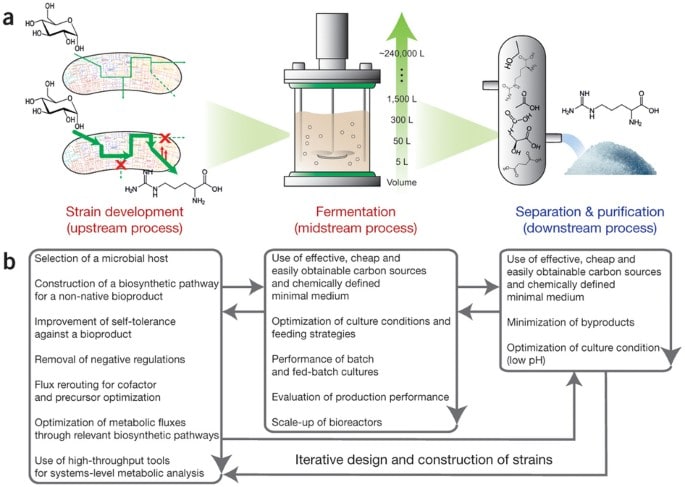
Modern industrial microbiology is increasingly driven by the need to discover novel microbial activities and develop sustainable biological manufacturing processes. Traditional microbial fermentation systems are now being combined with synthetic biology, systems biology, metabolic engineering, protein engineering, and metagenomics to create highly optimized microbial platforms for industrial-scale applications.
Industrial Microbial Bioprocesses and Biotechnology Applications
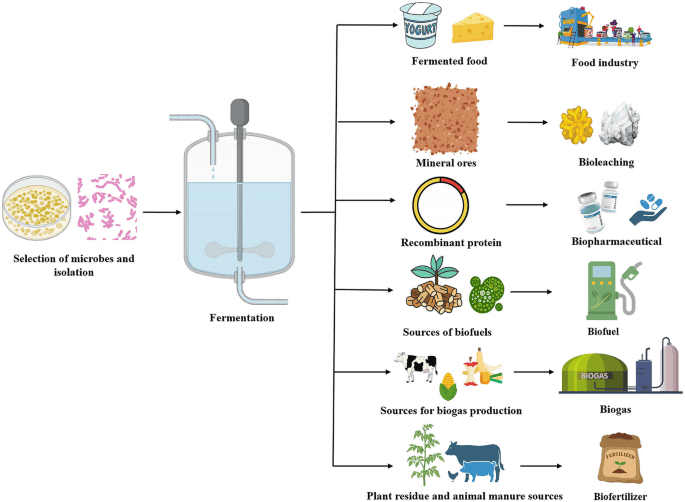
Industrial microorganisms are widely used as biological catalysts because they can efficiently convert inexpensive raw materials into high-value products. Microbial fermentation technologies currently support the industrial production of:
- Antibiotics
- Vitamins
- Organic acids
- Amino acids
- Enzymes
- Bioplastics
- Biofuels
- Pharmaceutical intermediates
- Sweeteners
- Fine chemicals
- Functional biomaterials
Microbial conversion systems are economically attractive because microorganisms are self-replicating catalysts capable of performing highly selective biochemical reactions under relatively mild operating conditions. However, industrial microbial systems also present several limitations, including:
- Low volumetric productivity
- Formation of unwanted biomass
- Metabolic by-products
- Reduced enzyme stability
- Sensitivity to environmental stress
- Suboptimal catalytic efficiency outside natural habitats
To overcome these limitations, industrial microbiology has developed several advanced strategies focused on improving microbial performance, metabolic efficiency, and process stability.
Major Strategies Used in Modern Industrial Microbiology
1. Optimization of Natural Microbial Strains
One important strategy involves the direct use of naturally occurring microorganisms with desirable metabolic activities. These wild-type strains can later be improved using adaptive evolution, metabolic engineering, and systems biology approaches to increase productivity and stress tolerance.
Industrial microbiology now integrates transcriptomics, proteomics, metabolomics, and flux analysis to better understand microbial physiology and optimize fermentation performance under industrial conditions.
2. Enzyme Engineering and Recombinant Biocatalysis
Protein engineering has become a central component of industrial microbiology. Enzymes can now be modified through rational design and directed evolution to improve:
- Catalytic activity
- Thermal stability
- Solvent resistance
- Cofactor specificity
- Enantioselectivity
- Substrate range
Engineered enzymes are commonly overexpressed in recombinant microbial hosts such as:
- Escherichia coli
- Saccharomyces cerevisiae
These microorganisms serve as microbial cell factories capable of producing industrial enzymes and specialty metabolites at large scale.
Modern redox biocatalysis technologies also rely heavily on recombinant enzyme systems coupled with efficient NADH or NADPH regeneration pathways to support industrial oxidation and reduction reactions.
Oxidoreductase-Based Industrial Biocatalysis
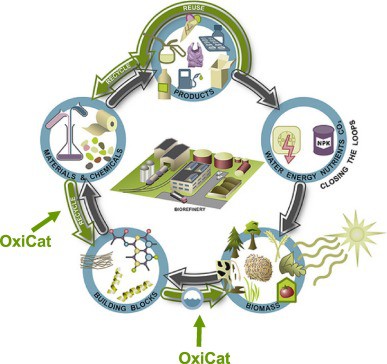
Oxidoreductase enzymes are widely used in industrial biotechnology because they catalyze stereoselective oxidation and reduction reactions important for pharmaceutical and fine chemical synthesis.
Several industrial microorganisms naturally produce commercially valuable compounds through redox metabolism, including:
- Chiral alcohols
- Amino acids
- Epoxides
- Cyanohydrins
- Hydroxy acids
- Aromatic intermediates
Microbial strains from genera such as:
- Rhodococcus
- Pseudomonas
- Candida
- Lactobacillus
have demonstrated strong industrial potential for large-scale biochemical synthesis.
Whole-cell biocatalysis remains especially important because many oxidoreductases require complex cofactor recycling systems that are difficult to reproduce using isolated enzymes alone.
Enzyme Promiscuity and Novel Catalytic Reactions
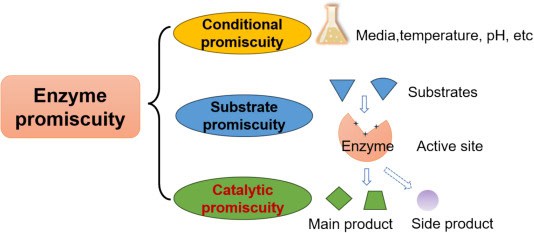
Recent industrial microbiology research has revealed that many enzymes possess catalytic promiscuity, meaning they can catalyze reactions beyond their natural biological functions.
This phenomenon has greatly expanded the range of industrial biotransformations possible with microbial enzymes. Hydrolases, reductases, nitrilases, and hydroxynitrile lyases are now being used in non-natural synthetic reactions to produce valuable pharmaceutical intermediates and specialty chemicals.
Promiscuous enzymes are particularly attractive because they allow:
- Reduction of chemical synthesis steps
- Lower energy consumption
- Higher stereoselectivity
- Reduced toxic waste generation
- More sustainable industrial manufacturing
Directed evolution technologies are frequently applied to further optimize these alternative enzymatic activities for industrial use.
Metabolic Engineering and Single-Cell Microbial Factories
One of the most transformative developments in industrial microbiology is the creation of engineered single-cell factories capable of performing complete biosynthetic pathways.
Instead of relying on a single enzymatic reaction, engineered microorganisms can now integrate multiple foreign genes to synthesize complex molecules directly from inexpensive carbon sources such as glucose or glycerol.
Synthetic biology approaches allow researchers to combine metabolic pathways from different organisms into one engineered microbial host. These microbial platforms can produce:
- Antimalarial drugs
- Carotenoids
- Biofuels
- Aromatic compounds
- Bioplastics
- Pharmaceutical precursors
A major example includes engineered yeast strains producing artemisinic acid, an important precursor for antimalarial therapies.
Microbial cell factories offer several industrial advantages:
- Reduced production costs
- Simplified downstream processing
- Renewable feedstock utilization
- Sustainable manufacturing
- Lower environmental impact
Systems Biology and Industrial Strain Improvement
Systems biotechnology combines genomics, transcriptomics, proteomics, metabolomics, and computational biology to analyze microbial cells as integrated biological systems.
This approach enables scientists to identify metabolic bottlenecks and optimize industrial strains for improved productivity and robustness.
Industrial microorganisms are frequently exposed to stressful conditions such as:
- High substrate concentrations
- Toxic intermediates
- Solvent exposure
- Oxidative stress
- Oxygen limitation
- Extreme pH
- Temperature fluctuations
Systems biology tools help researchers understand how microorganisms respond to these stresses and how cellular metabolism can be reprogrammed to improve industrial performance.
Examples of successful industrial strain optimization include enhanced microbial production of:
- L-threonine
- Lysine
- Riboflavin
- Ethanol
- Polyhydroxyalkanoates
- Recombinant proteins
Advanced computational metabolic modeling and flux balance analysis are increasingly used to predict cellular behavior and guide strain engineering strategies.
Metagenomics and Environmental Microbial Discovery
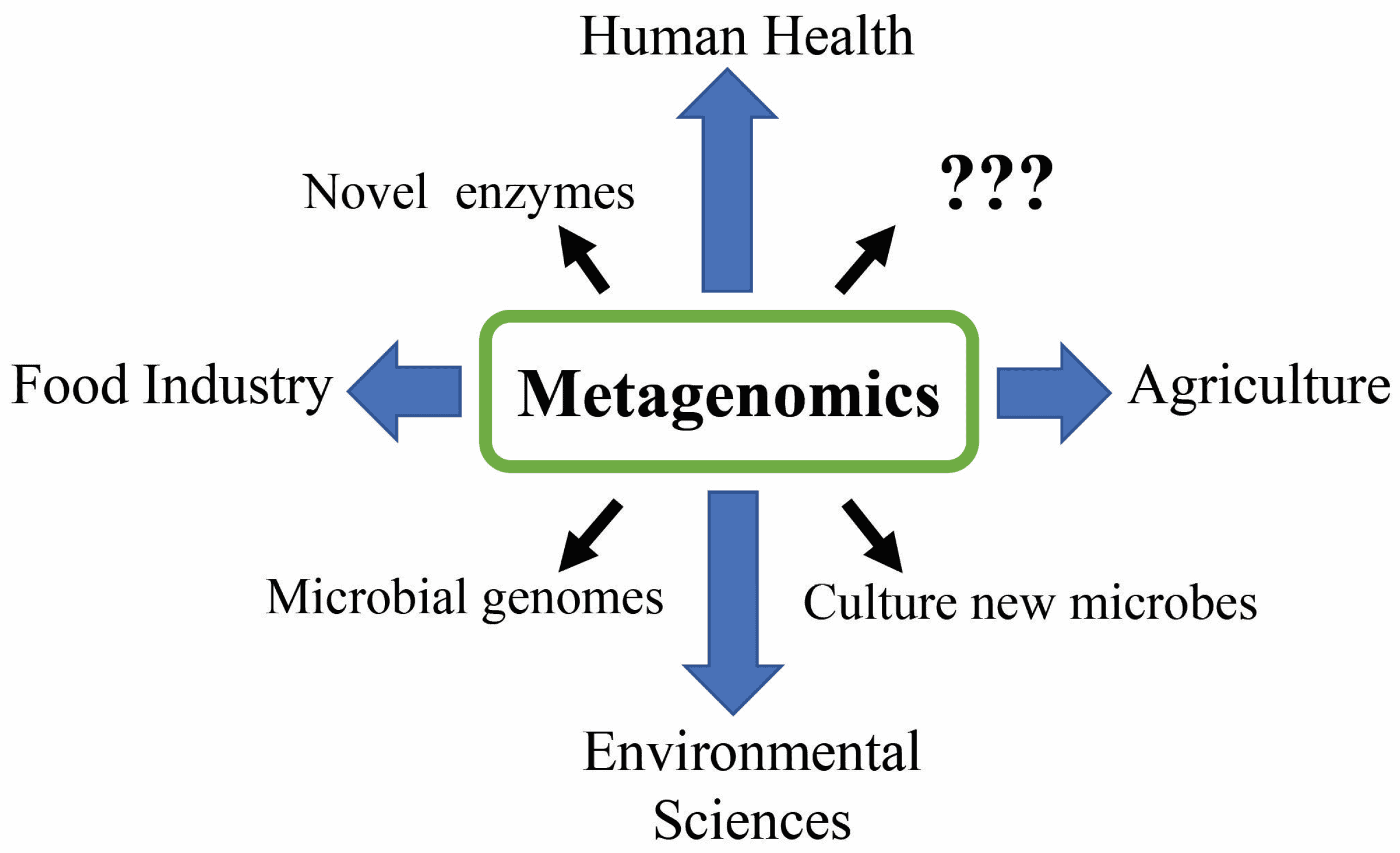
Traditional microbiology is limited because most environmental microorganisms cannot be cultured using standard laboratory methods. Metagenomics overcomes this limitation by directly analyzing microbial DNA extracted from environmental samples.
Environmental genomics has become a major source of novel industrial enzymes and metabolic pathways. Metagenomic studies have identified new:
- Lipases
- Esterases
- Oxygenases
- Nitrilases
- Lactonases
- Hydrolases
- Dioxygenases
These enzymes often possess unique industrial properties such as:
- Thermostability
- Salt tolerance
- Solvent resistance
- Broad substrate specificity
- High catalytic efficiency
Metagenomic screening is now widely used for discovering enzymes useful in:
- Bioremediation
- Biofuel production
- Green chemistry
- Pharmaceutical synthesis
- Plastic degradation
- Wastewater treatment
DNA shuffling and directed evolution are also being combined with metagenomics to create entirely new catalytic proteins with improved industrial functionality.
Synthetic Biology and Future Industrial Biotechnology
Synthetic biology is rapidly transforming industrial microbiology by enabling the rational design of artificial biological systems.
Researchers are now developing microorganisms with:
- Optimized metabolic circuits
- Minimal genomes
- Programmable biosynthetic pathways
- Controlled regulatory systems
- Enhanced stress resistance
Synthetic microbial platforms could eventually enable fully sustainable biological production systems capable of replacing petroleum-based chemical manufacturing.
Future industrial microbiology applications are expected to focus on:
- Carbon-neutral biomanufacturing
- Renewable biofuels
- Precision fermentation
- Biodegradable materials
- Engineered probiotics
- Circular bioeconomy technologies
- Environmental bioremediation
- Personalized biopharmaceutical production
Conclusion
Recent advances in industrial microbiology have transformed microorganisms into highly valuable platforms for biotechnology, medicine, agriculture, environmental protection, and sustainable manufacturing. Modern approaches integrating metabolic engineering, systems biology, synthetic biology, protein engineering, and metagenomics have dramatically expanded the industrial potential of microbial systems.
The discovery of novel microbial enzymes, combined with the engineering of robust microbial cell factories, is enabling the development of cleaner, more efficient, and economically sustainable industrial processes. Environmental microbial diversity remains one of the largest untapped biological resources on Earth, offering enormous opportunities for future innovation.
As genome sequencing, computational biology, and synthetic biology technologies continue to evolve, industrial microbiology is expected to play an increasingly central role in the global transition toward sustainable biotechnology and green industrial production systems.