

Introduction
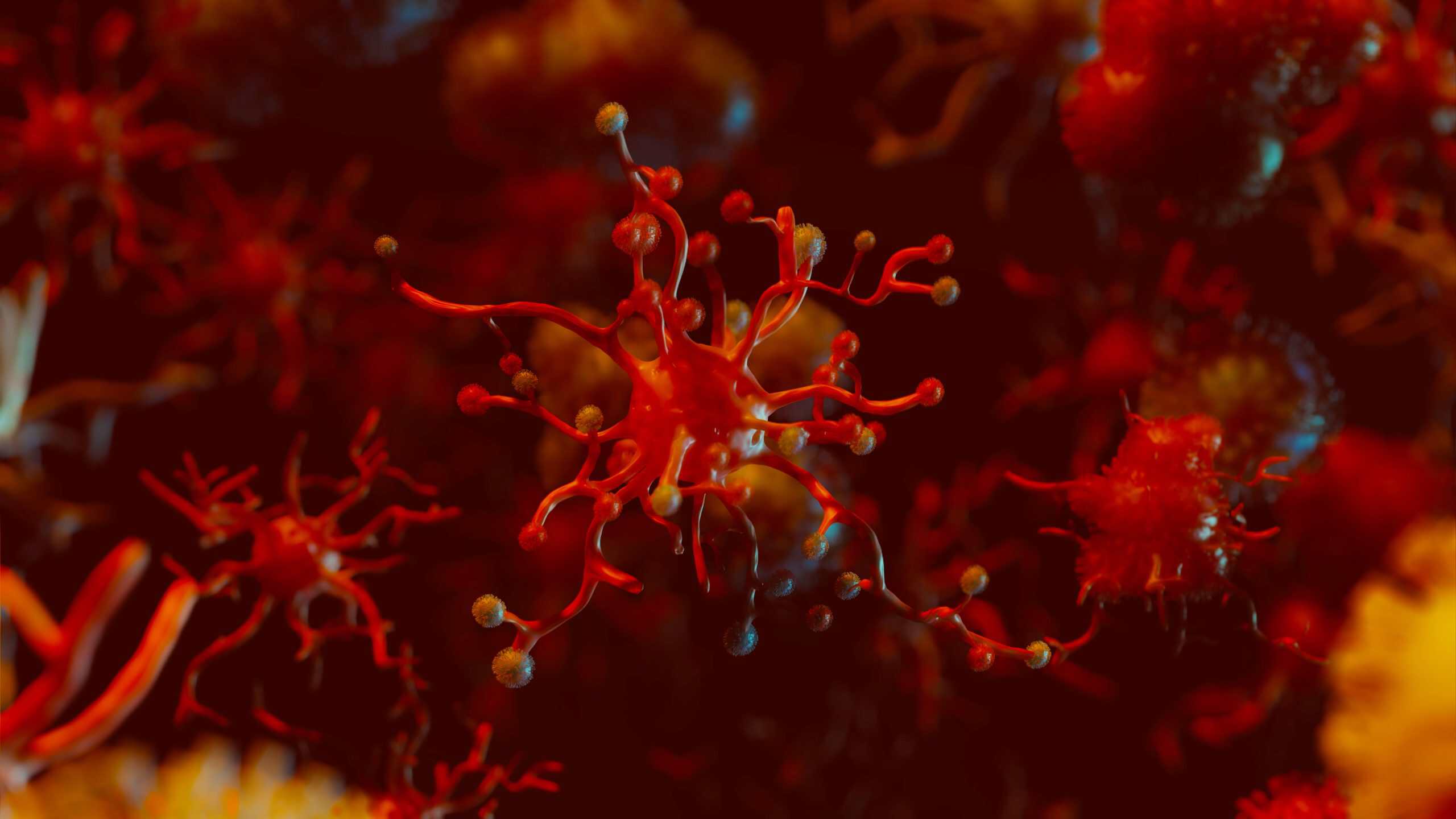
Entomopathogenic fungi are fungal pathogens that infect and kill insects. These microorganisms play an important ecological role by naturally regulating insect populations in the environment. Because of their biological specificity and low environmental toxicity, entomopathogenic fungi are widely studied as eco-friendly alternatives to chemical pesticides in agriculture and vector control programs.
Among the most important fungal genera used in biological pest management are Beauveria and Metarhizium. These fungi are highly effective against many agricultural pests and insect vectors responsible for transmitting human diseases.
Insect Defense Mechanisms Against Fungal Infection
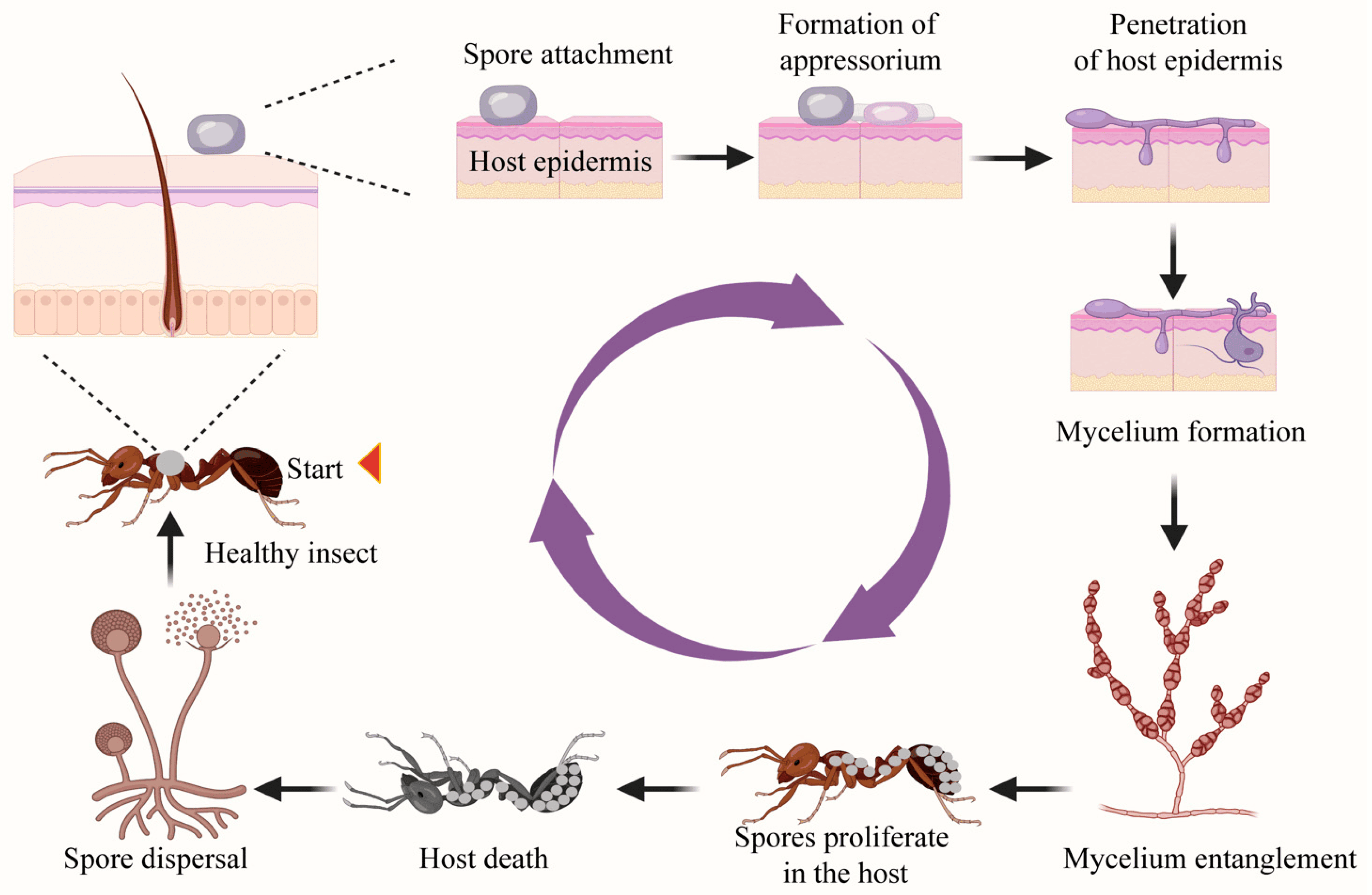
To survive fungal invasion, insects have evolved highly organized immune defense systems. These defenses include:
- Physical barriers
- Cellular immune responses
- Humoral immune responses
- Behavioral immunity mechanisms
The insect cuticle acts as the first protective barrier against pathogen entry. This multilayered structure is mainly composed of chitin, proteins, lipids, and antimicrobial compounds that limit fungal adhesion and growth.
Fungal Infection Process in Insects
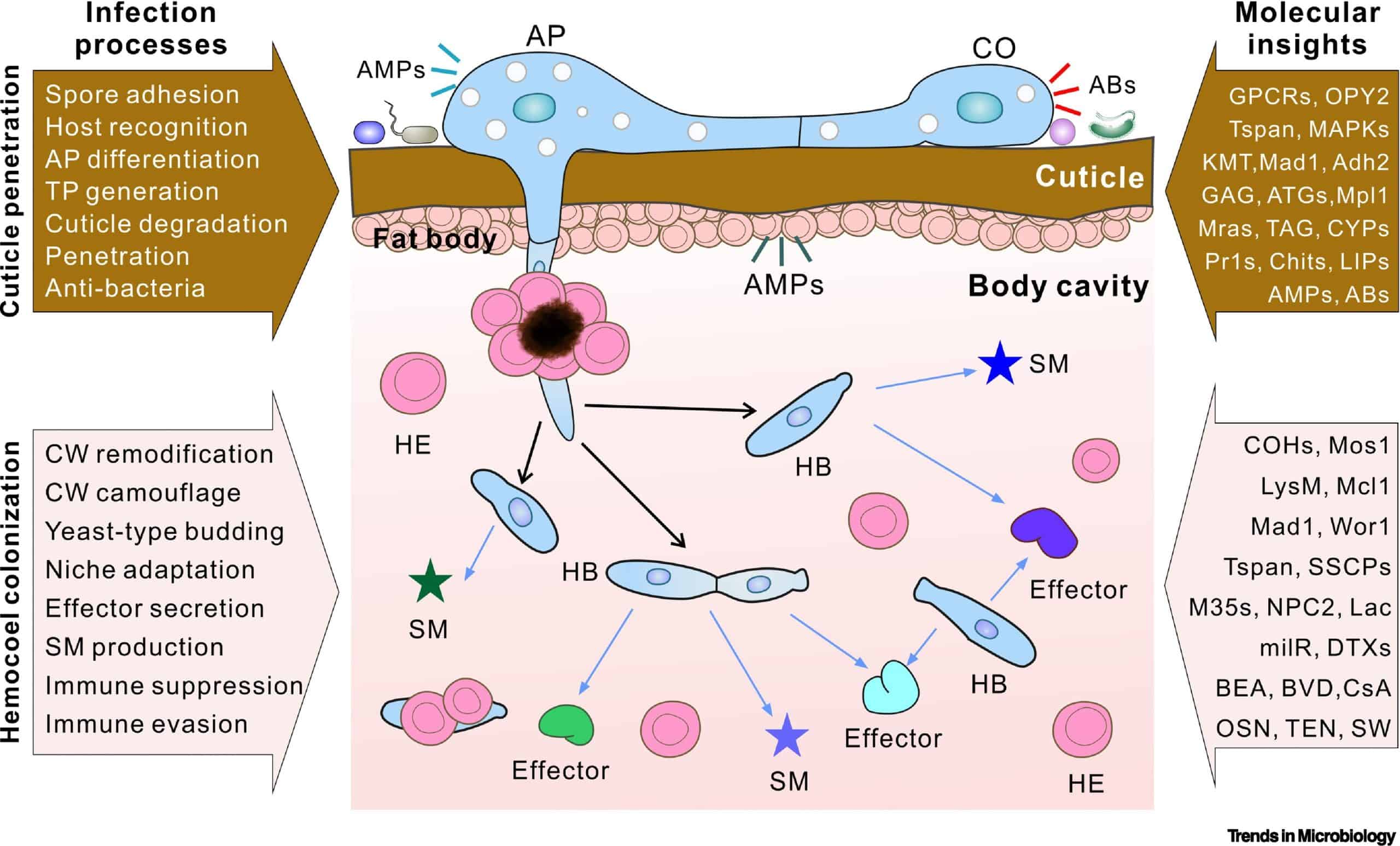
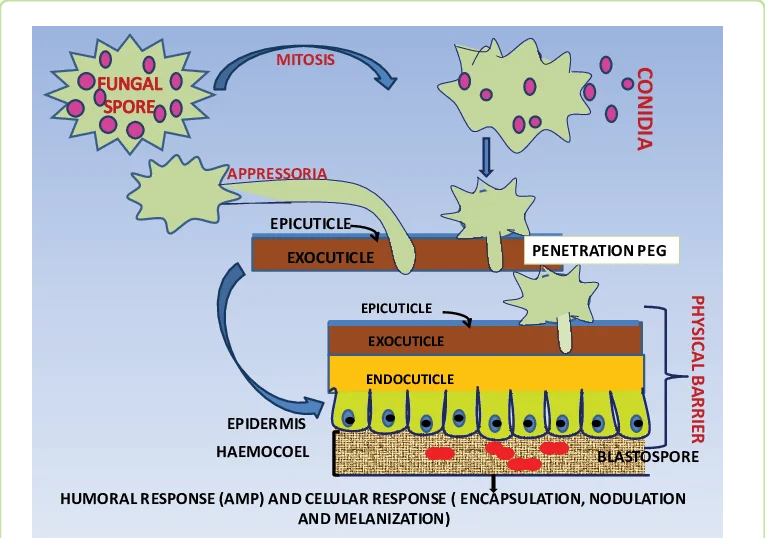
Entomopathogenic fungi infect insects mainly through direct penetration of the external cuticle.
Main Steps of Infection
- Adhesion of fungal spores (conidia) to the insect surface
- Spore germination under favorable environmental conditions
- Formation of a specialized infection structure called an appressorium
- Secretion of cuticle-degrading enzymes
- Penetration into the insect body cavity (hemocoel)
- Fungal proliferation and toxin production
- Host death followed by fungal sporulation from the insect cadaver
This infection cycle allows fungal transmission to new hosts.
Role of the Insect Cuticle in Antifungal Defense
The insect cuticle is an effective protective structure that creates unfavorable conditions for fungal survival. It contains:
- Low moisture levels
- Limited nutrient availability
- Antimicrobial molecules
- Hydrophobic surface compounds
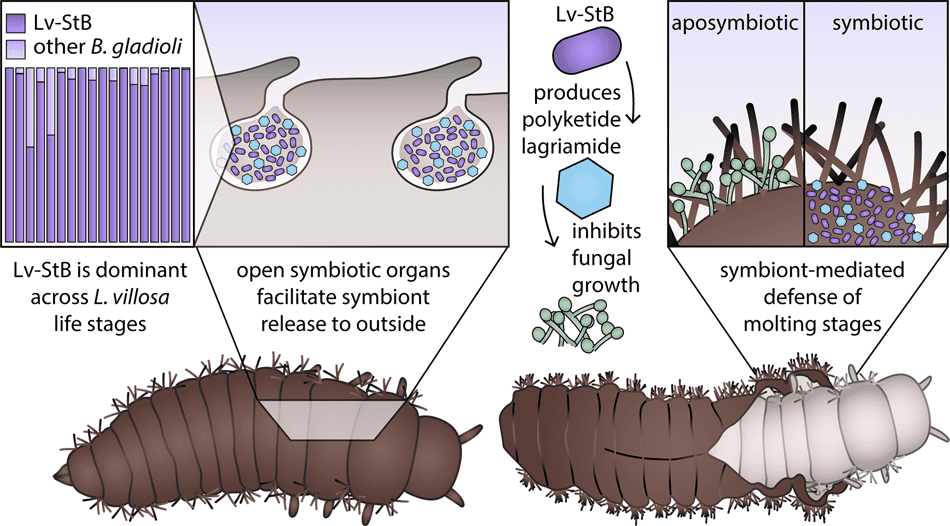
Some insects also host beneficial microorganisms on their cuticle that inhibit fungal growth. For example, bacterial species living on insect surfaces can block fungal spore germination.
Social insects such as ants and termites produce antimicrobial secretions that reduce fungal contamination inside colonies. Other insects synthesize defensive chemicals like benzoquinones that provide strong antifungal activity.
Fungal Adaptation Strategies
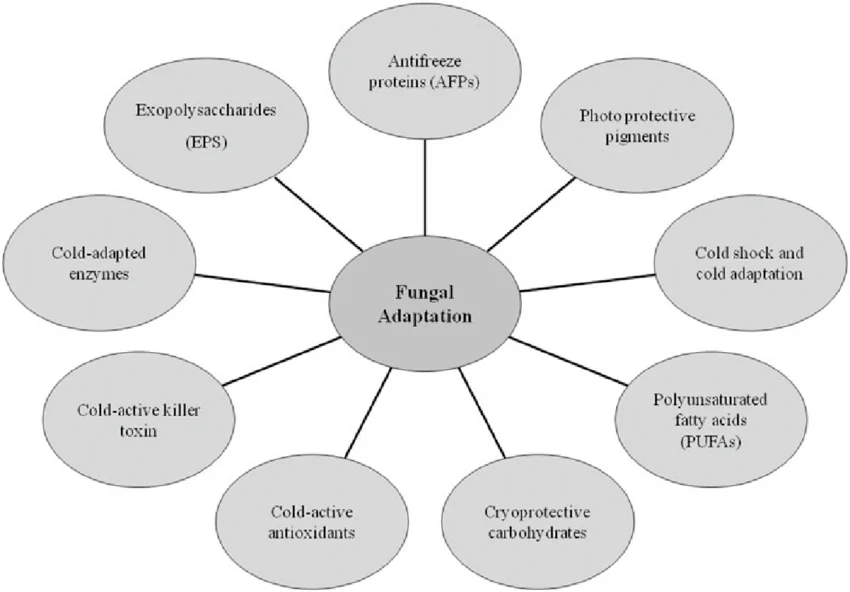
During long-term coevolution with insect hosts, entomopathogenic fungi developed multiple mechanisms to overcome host defenses.
Adhesion and Germination Mechanisms
Fungal spores produce:
- Adhesive mucilage
- Hydrophobin proteins
- Cell wall adhesion proteins
These molecules improve attachment to the insect cuticle and increase fungal virulence.
Cuticle-Degrading Enzymes
Successful fungal infection depends on the ability to cross the protein-chitin barrier of the insect cuticle.
Entomopathogenic fungi produce several virulence-associated enzymes, including:
- Proteases
- Chitinases
- Lipases
- Esterases
- Phospholipases
- Catalases
Proteases such as Pr1 play a major role in cuticle degradation and fungal penetration. Comparative genomic studies show that insect pathogenic fungi possess larger numbers of protease and chitinase genes compared to plant pathogens, reflecting adaptation to insect hosts.
Insect Immune Responses During Fungal Penetration
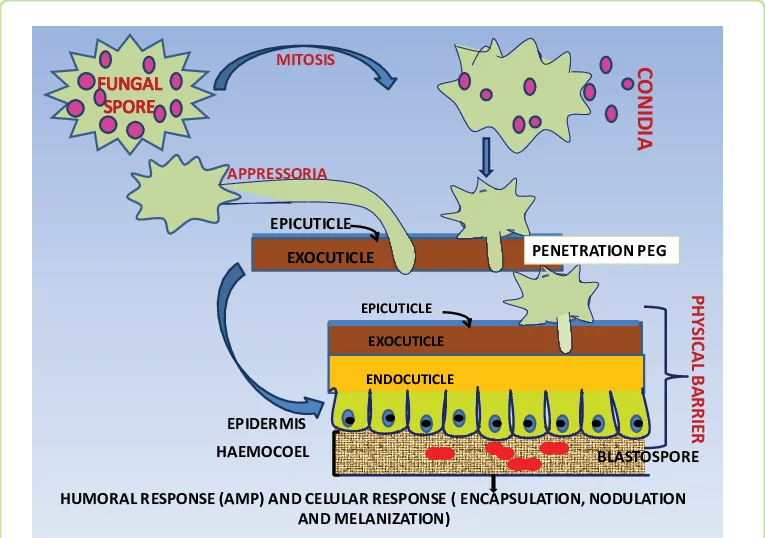
When fungi penetrate the cuticle, insects activate several defense reactions.
Hemostatic Response
To reduce hemolymph leakage, insects rapidly activate clotting systems involving:
- Lipophorins
- Vitellogenin-like proteins
- Transglutaminases
These molecules help trap invading pathogens.
Melanization Response
The prophenoloxidase (proPO) cascade is activated during fungal invasion, leading to melanin production.
Melanin contributes to antifungal defense by:
- Restricting fungal growth
- Limiting enzyme activity
- Producing toxic intermediates against pathogens
This pathway is essential for insect survival during fungal infection.
Antimicrobial Peptides (AMPs)
Insects produce antimicrobial peptides as part of humoral immunity. These peptides are synthesized in tissues such as:
- Fat body
- Hemocytes
- Epidermal cells
- Epithelial tissues
AMPs attack fungal pathogens by damaging cell membranes or interfering with cellular metabolism.
Important antifungal peptides include:
- Drosomycin
- Metchnikowin
- Gallerimycin
- Termicin
- Heliomicin
These peptides are regulated mainly through the Toll signaling pathway.
Toll Signaling Pathway in Antifungal Immunity
The Toll pathway is one of the most important immune signaling systems in insects.
Functions of the Toll Pathway
- Detection of fungal pathogens
- Activation of NF-κB-related transcription factors
- Induction of antifungal peptide production
- Regulation of immune signaling cascades
Activation occurs after fungal recognition through pattern recognition receptors (PRRs).
Components include:
- Toll receptor
- Spatzle ligand
- MyD88 adaptor proteins
- Pelle kinase
- Dorsal and Dif transcription factors
Disruption of this pathway significantly increases susceptibility to fungal infection.
Cellular Immunity in Insects
Cellular immune responses are mediated by circulating hemocytes.
Major Hemocyte Functions
- Phagocytosis
- Encapsulation
- Nodulation
- Pathogen killing
In Drosophila, important hemocyte types include:
- Plasmatocytes
- Crystal cells
- Lamellocytes
These immune cells recognize fungal pathogens through specialized receptors and immune proteins.
Behavioral Immunity Against Fungal Pathogens
Many insects use behavioral strategies to reduce infection risk.
Common Behavioral Defenses
- Grooming
- Removal of infected individuals
- Antifungal secretion production
- Social hygiene behavior
- Thermoregulation (behavioral fever)
For example, termites and ants can detect fungal pathogens using olfactory signals and respond by increasing grooming behavior or isolating infected individuals.
Some insects increase body temperature through sun exposure to suppress fungal growth.
Fungal Immune Evasion Mechanisms
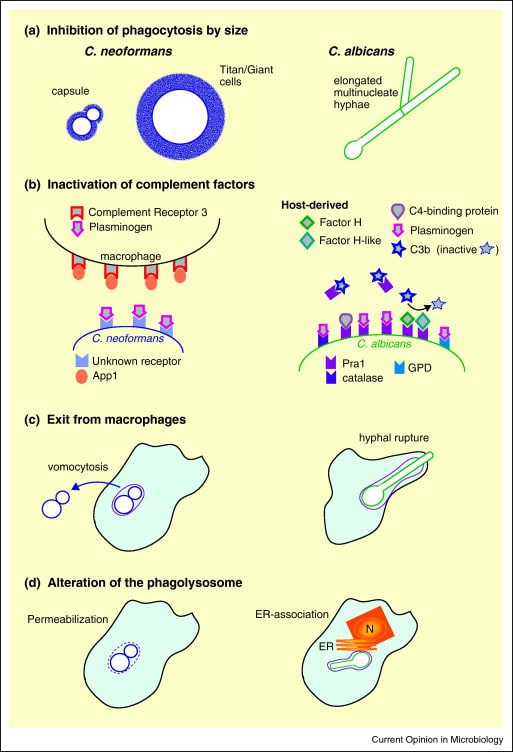
Entomopathogenic fungi have evolved sophisticated strategies to suppress host immunity.
Immune Evasion Techniques
- Masking fungal surface carbohydrates
- Producing immunosuppressive metabolites
- Inhibiting antimicrobial peptide expression
- Blocking phagocytosis
- Suppressing melanization pathways
Some fungal toxins, including destruxins and oosporein, interfere directly with insect immune responses.
Coevolution Between Insects and Fungi
The interaction between insects and entomopathogenic fungi represents a continuous coevolutionary arms race.
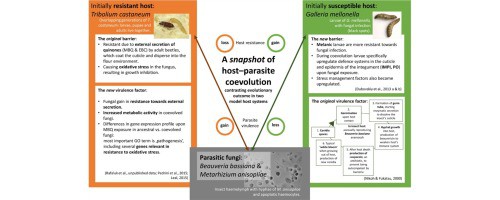
Evolutionary Adaptations
Insects evolve:
- Faster immune signaling
- More specialized antimicrobial molecules
- Improved pathogen recognition systems
Fungi evolve:
- Enhanced virulence factors
- Resistance to host antimicrobial peptides
- Better immune evasion mechanisms
This long-term evolutionary pressure shapes both fungal pathogenicity and insect immune system complexity.
Conclusion
Entomopathogenic fungi and insect hosts are involved in highly complex biological interactions regulated by immune defense systems, fungal virulence factors, and evolutionary adaptation mechanisms.
Insects rely on:
- Physical barriers
- Toll-mediated immune signaling
- Antimicrobial peptides
- Cellular immunity
- Behavioral defenses
Meanwhile, entomopathogenic fungi develop advanced infection and immune evasion strategies to successfully colonize insect hosts.
Understanding these interactions is important for:
- Biological pest control
- Agricultural biotechnology
- Insect pathology research
- Development of environmentally safe bioinsecticides
- Comparative immunology studies