The immune system is regulated by multiple cellular and molecular mechanisms that maintain immune balance and prevent excessive or harmful immune responses. Among these regulatory pathways, suppressor T cells represent a major component involved in controlling antigen-specific immune reactions. While immune suppression can also be mediated by B lymphocytes, macrophages, and nonspecific regulatory pathways, antigen-specific suppressor T cells play a specialized role in directing targeted immunological control.
Suppressor T cells function alongside helper T lymphocytes, which normally stimulate immune activation against T-dependent antigens. In contrast, suppressor T cells downregulate immune responses and contribute to the establishment of immunological tolerance, immune homeostasis, and prevention of uncontrolled immune activation. Early studies demonstrated that these cells develop following antigen exposure and selectively suppress responses directed against the same antigen responsible for their activation.
Research performed in multiple experimental systems has confirmed that suppressor T cells regulate both humoral immunity and cell-mediated immunity. Their activity influences antibody production, delayed-type hypersensitivity reactions, contact sensitivity, cytotoxic T-cell activity, proliferative T-cell responses, tumor immunity, and several pathological immune processes. Antigen-specific suppressor T cells have also been identified in different animal species, including humans, demonstrating their broad biological relevance in immune regulation.
General Characteristics of Suppressor T-Cell Systems
Although suppressor T-cell pathways have been studied using different experimental models, several important biological characteristics are consistently observed across these systems.
Sequential Organization of Suppressor T-Cell Subsets
One of the major features of suppressor T-cell regulation is the existence of multiple suppressor T-cell subsets that interact sequentially. In most systems, at least two distinct suppressor T-cell populations are involved, while some models include three or more regulatory subpopulations.
The earliest acting suppressor cells are commonly referred to as inducer suppressor T cells or Ts1 cells. These cells participate in the initiation of suppressive pathways and contribute to the generation of additional suppressor T-cell populations. Effector suppressor T cells, often identified as Ts2 or Ts3 cells depending on the model system, function later during the immune response and mediate the final suppressive effects.
This cascade-like organization allows the immune system to amplify and coordinate regulatory signals efficiently during antigen-specific immune responses.
Antigen Recognition and Binding Properties of Suppressor T Cells
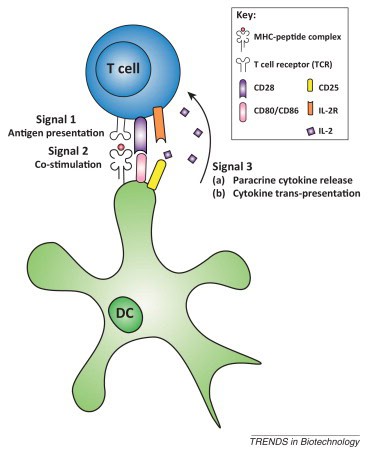
A unique property of suppressor T cells is their ability to directly bind free antigen without requiring conventional antigen presentation mechanisms involving major histocompatibility complex (MHC) molecules.
Experimental studies demonstrated that suppressor T cells can selectively adhere to antigen-coated surfaces, allowing enrichment and isolation of antigen-specific suppressor populations. Unlike helper T cells or cytotoxic T lymphocytes, suppressor T cells recognize antigen independently of classical MHC-associated antigen presentation.
Initially, scientists proposed that suppressor T cells might express immunoglobulin-like receptors because of their direct antigen-binding capability. However, molecular and serological analyses later disproved this hypothesis. Suppressor T cells do not undergo classical immunoglobulin gene rearrangements and do not express conventional antibody heavy- or light-chain constant regions.
Despite this, several suppressor T-cell populations express idiotype-like determinants that resemble immunoglobulin variable-region structures. These idiotype-associated markers are believed to participate in regulatory immune networks and communication between suppressor T-cell subsets.
Role of Major Histocompatibility Complex (MHC) Genes
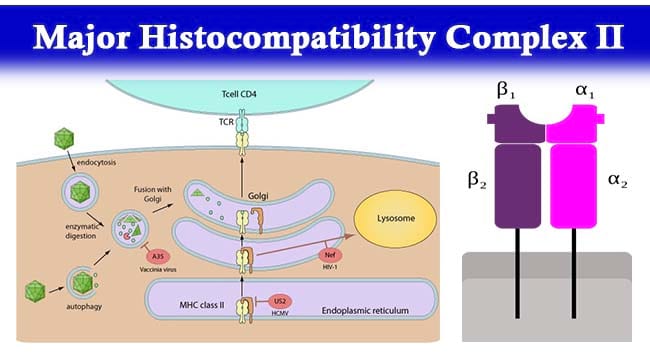
Major histocompatibility complex genes play a central role in suppressor T-cell induction, activation, and functional restriction. Multiple studies demonstrated that suppressor T-cell activity is controlled by specific regions of the murine H-2 complex, particularly the I-A, I-J, and I-C subregions.
Experiments using synthetic antigens such as GAT and GT polymers showed that genetic responsiveness to these antigens strongly influences suppressor T-cell generation. Certain mouse strains classified as nonresponders develop highly active suppressor T-cell populations after immunization with these antigens.
MHC gene products regulate several critical aspects of suppressor T-cell biology, including:
- Antigen presentation during suppressor T-cell induction
- Communication between suppressor T-cell subsets
- Functional restriction of suppressive activity
- Expression of suppressor factors on T-cell surfaces
These findings established suppressor T cells as highly regulated immune cells that depend on specialized MHC-associated interactions.
Soluble Suppressor Factors and Immune Communication
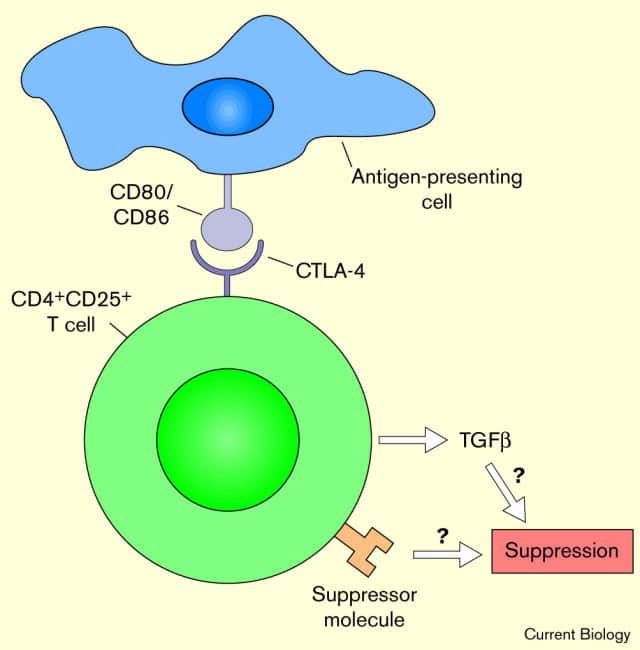
Suppressor T cells produce soluble immunoregulatory molecules known as suppressor factors. Each suppressor T-cell subset secretes distinct suppressive mediators that participate in immune communication pathways.
These soluble factors mediate:
- Activation of additional suppressor T-cell populations
- Transmission of suppressive signals
- Regulation of effector immune responses
- Coordination between suppressor cell subsets
The existence of soluble suppressor factors allows immune suppression to occur without direct cell-to-cell contact. This mechanism significantly expands the regulatory capacity of suppressor T-cell networks throughout the immune system.
Several suppressor factors contain antigen-binding domains together with MHC-associated determinants, forming biologically active molecular complexes capable of highly specific immune modulation.
Antigen-Presenting Cells in Suppressor T-Cell Induction
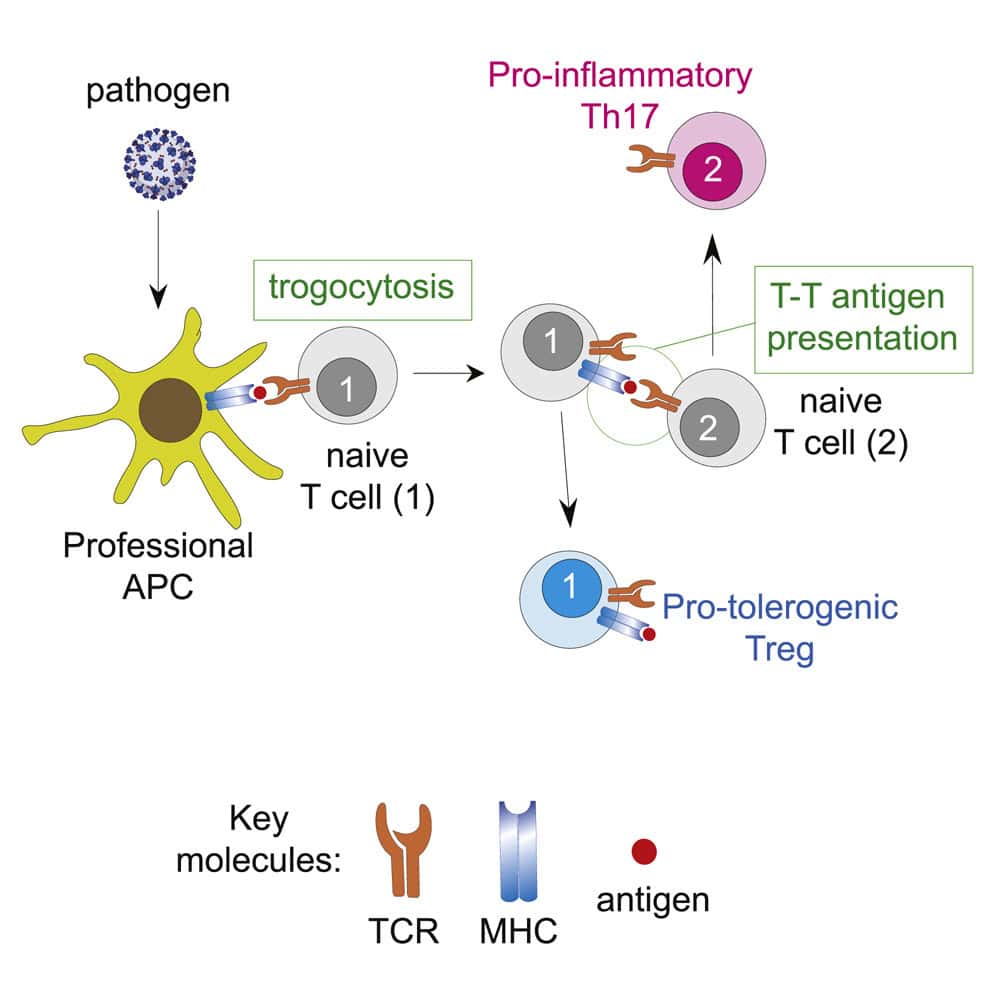
Antigen-presenting cells are essential for the induction of suppressor T-cell responses. Early studies demonstrated that modified or poorly processed antigens preferentially induce immunological tolerance and suppressor T-cell activation rather than helper T-cell stimulation.
Specialized accessory cells bearing MHC class II determinants participate in suppressor T-cell induction pathways. These antigen-presenting cells exhibit remarkable efficiency, as very small numbers of antigen-coupled adherent cells can induce strong suppressive responses in vivo.
Macrophage-like accessory cells play particularly important roles in:
- Antigen processing
- Suppressor T-cell induction
- Genetic restriction guidance
- Intercellular suppressor communication
Distinct accessory cell populations are responsible for inducing different suppressor T-cell subsets, highlighting the complexity of immune regulatory circuits.
Suppressor T Cells in Immunological Tolerance
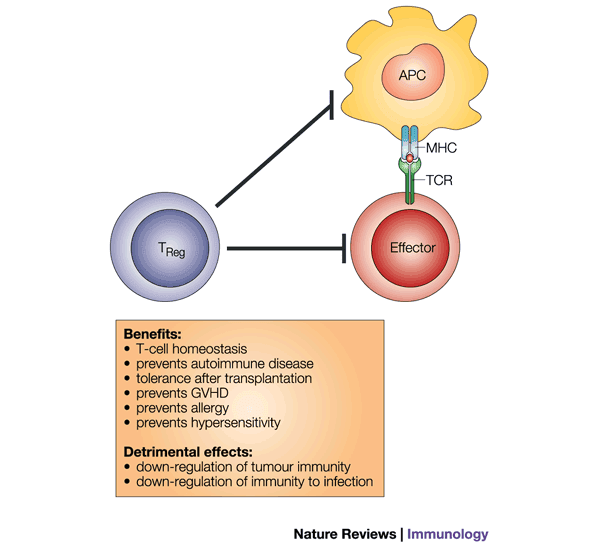
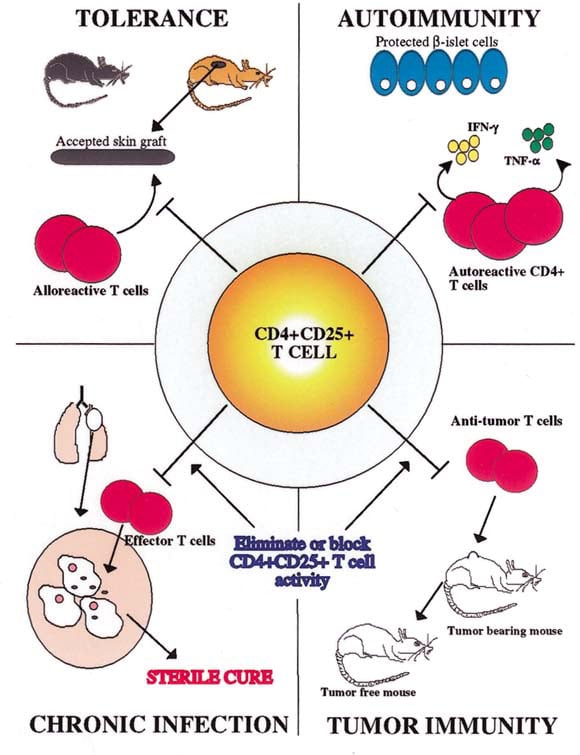
Suppressor T cells are critically involved in the maintenance of immunological tolerance. Many experimental models of immune tolerance have been shown to depend on active suppressor T-cell mechanisms rather than simple immune ignorance.
Various experimental conditions favor suppressor T-cell induction, including:
- Deaggregated antigens
- Filtered antigens
- Ultraviolet-treated antigen-presenting cells
- Reduced helper T-cell activation pathways
These conditions selectively stimulate suppressive immune pathways and inhibit excessive immune activation.
Suppressor T cells therefore contribute to:
- Prevention of autoimmunity
- Regulation of chronic inflammation
- Control of hypersensitivity reactions
- Maintenance of peripheral immune tolerance
Suppressor T-Cell Cascades and Immune Networks
Studies performed in NP and ABA hapten systems demonstrated that suppressor T cells operate through highly organized regulatory cascades involving multiple cellular interactions.
Three major suppressor T-cell populations are commonly identified:
- Ts1 inducer suppressor cells
- Ts2 transducer suppressor cells
- Ts3 effector suppressor cells
These suppressor subsets differ in:
- Surface phenotype
- Functional activity
- Timing during immune responses
- Antigen-binding specificity
- Genetic restriction properties
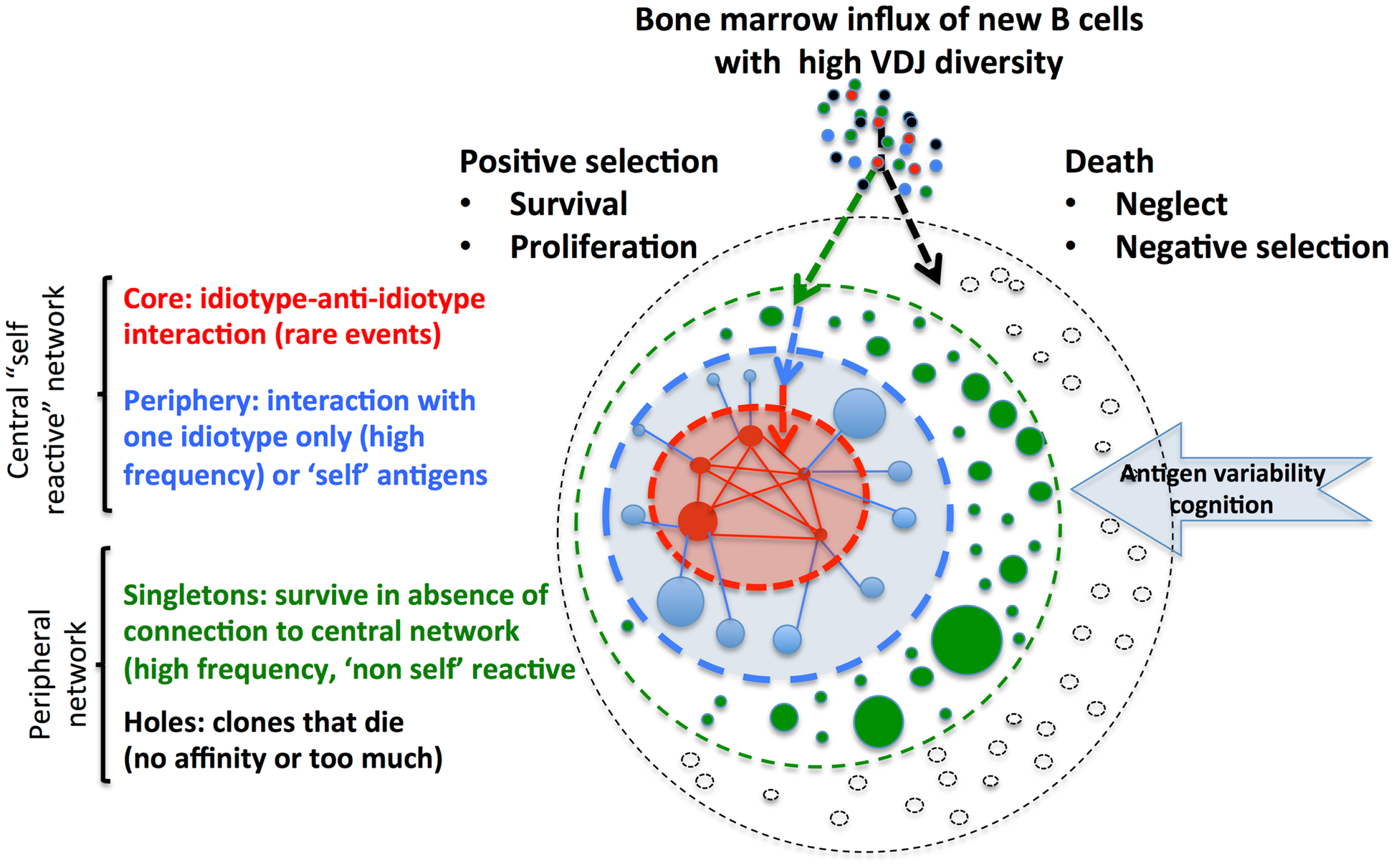
Some suppressor T cells express antigen-binding idiotype-like receptors, while others express anti-idiotypic receptors that recognize regulatory immune determinants. These interactions form complex immune regulatory networks that resemble internal antigen-recognition systems.
Hybridoma technology enabled the cloning of suppressor T-cell lines and the detailed characterization of their soluble suppressor factors. These studies provided strong evidence supporting the existence of sequential suppressor-cell cascades controlling both T-cell and B-cell immune responses.
Genetic Restrictions and Idiotype Networks
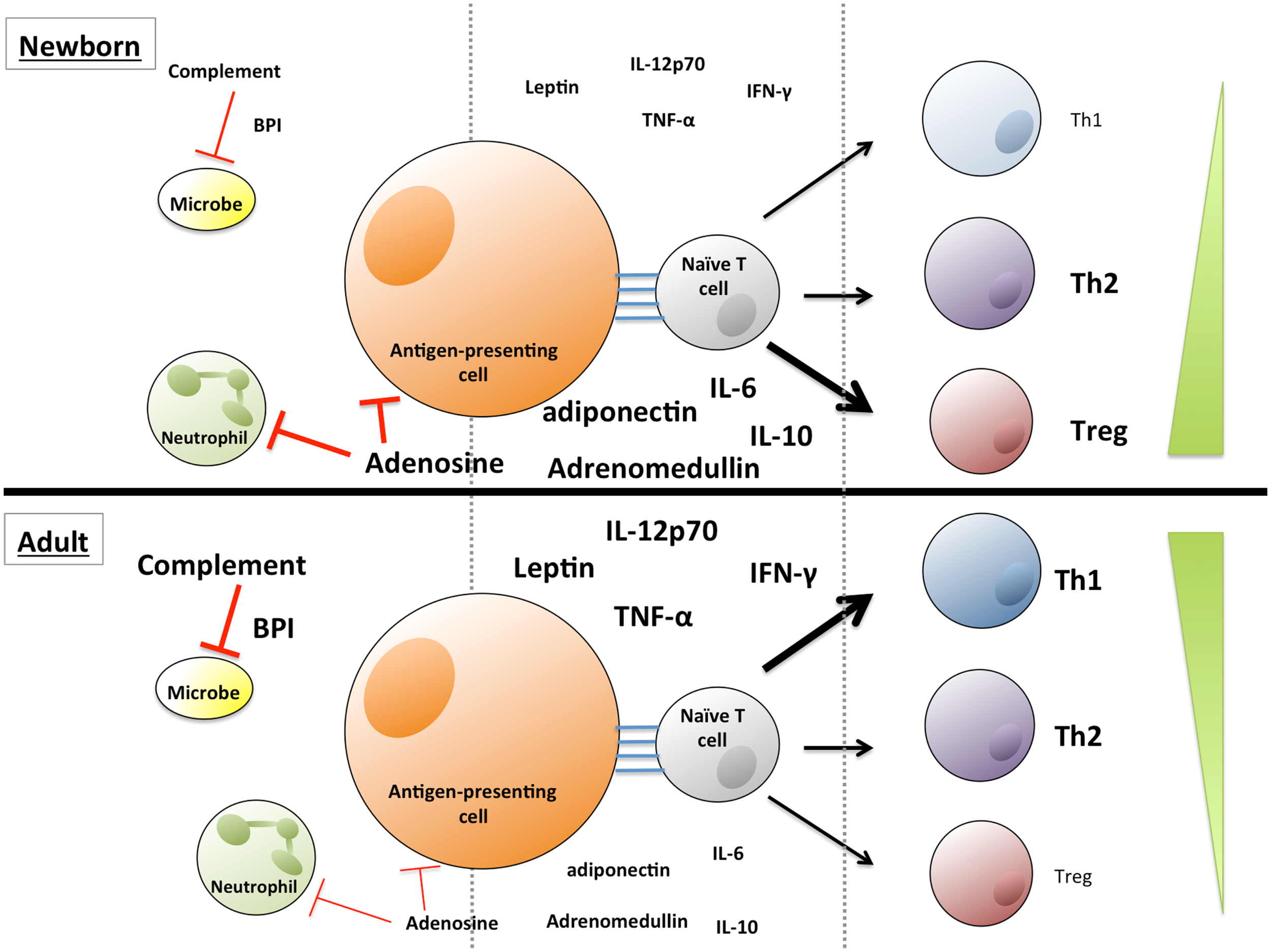
Suppressor T-cell interactions are regulated not only by MHC genes but also by immunoglobulin heavy-chain variable-region genes (Igh-V genes). These genetic restrictions influence communication between suppressor T-cell subsets and regulate immune specificity.
Idiotype-related determinants expressed on suppressor T cells participate in:
- T-cell communication
- Regulatory feedback loops
- Antigen mimicry
- Internal immune network regulation
Although suppressor T-cell idiotypes resemble B-cell idiotypes functionally, molecular studies suggest that T-cell and B-cell idiotypic structures are genetically distinct.
These observations support advanced immune network theories in which suppressor T cells recognize internal images of antigens and immunoglobulin determinants to maintain immune balance.
Molecular Structure of Suppressor Factors
Biochemical studies revealed that many suppressor factors exist as disulfide-linked heterodimeric molecules composed of:
- Antigen-binding chains
- MHC-associated chains
These molecular structures resemble antigen-specific T-cell receptors identified on helper and cytotoxic T-cell clones. Some suppressor factors may also exist as noncovalently associated complexes.
Suppressor factors display:
- Antigen specificity
- MHC-associated restriction determinants
- Idiotype-associated binding properties
- Functional suppressive activity
These molecular characteristics further support the concept that suppressor T cells are highly specialized regulatory lymphocytes with sophisticated recognition systems.
Biological Importance of Suppressor T Cells
Suppressor T cells are now recognized as major regulators of adaptive immunity. Their coordinated activity controls the intensity, duration, and specificity of immune responses.
Key biological functions include:
- Maintenance of immune homeostasis
- Prevention of excessive inflammation
- Regulation of antibody responses
- Suppression of hypersensitivity reactions
- Control of tumor immunity
- Induction of peripheral tolerance
The suppressor T-cell cascade represents a highly organized immunoregulatory network involving antigen-presenting cells, soluble suppressor factors, idiotype interactions, and genetically restricted communication pathways.
Understanding these regulatory mechanisms remains essential for advancing immunology, autoimmune disease research, transplantation biology, tumor immunotherapy, and immune tolerance engineering.