

Introduction
Basic and clinical immunology are rapidly evolving scientific fields that continue to improve the understanding of immune system function, immune-mediated diseases, and modern therapeutic strategies. Recent research has focused on several important areas, including Toll-like receptors (TLRs), T-helper cell regulation, cytokine signaling, primary immunodeficiency diseases (PIDs), HIV immune escape mechanisms, innate immunity, DNA vaccines, and inflammatory disorders such as asthma and allergy.
Advances in molecular immunology, genomics, and cellular biology are helping researchers better understand how immune cells communicate, respond to infections, regulate inflammation, and maintain immune tolerance. These discoveries are also supporting the development of innovative treatments for allergic diseases, autoimmune disorders, HIV infection, and genetic immunodeficiencies.
Regulation of T-Cell Responses
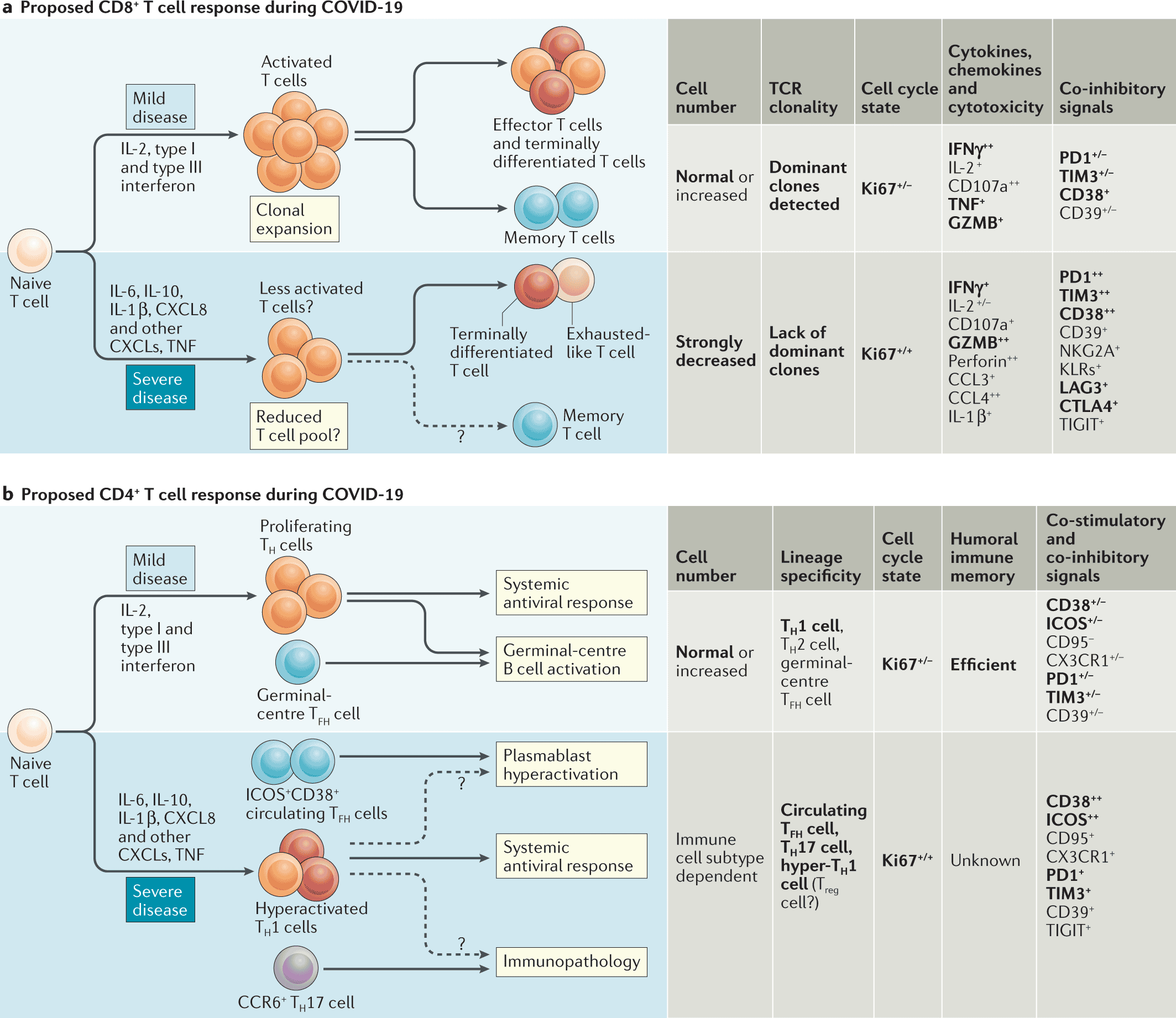
One of the major areas of immunology research involves understanding the balance between TH1 and TH2 immune responses. These two T-helper cell pathways play critical roles in immune regulation, allergy development, inflammation, and host defense mechanisms.
Researchers discovered that activated T cells can stimulate monocytes to produce IL-12, an important cytokine involved in TH1 immune responses. This process depends on direct cell-to-cell interaction and activation of the transcription factor T-bet, which is considered a master regulator of TH1 differentiation.
Studies also showed that increasing T-bet expression in TH2 cells can reverse allergic-type immune responses. Modified TH2 cells began producing TH1-associated cytokines such as IFN-γ, TNF-α, IL-2, and IL-12, while reducing IL-4 and IL-5 production. This finding demonstrates the plasticity of T-helper cells and highlights T-bet as a major therapeutic target in allergic diseases.
Early immune regulation during infancy was also investigated. Researchers found that stronger activation of antigen-presenting cells (APCs) in newborns may reduce TH2 dominance and lower the future risk of allergic diseases such as asthma and atopic dermatitis.
Asthma Therapy and Cytokine Regulation
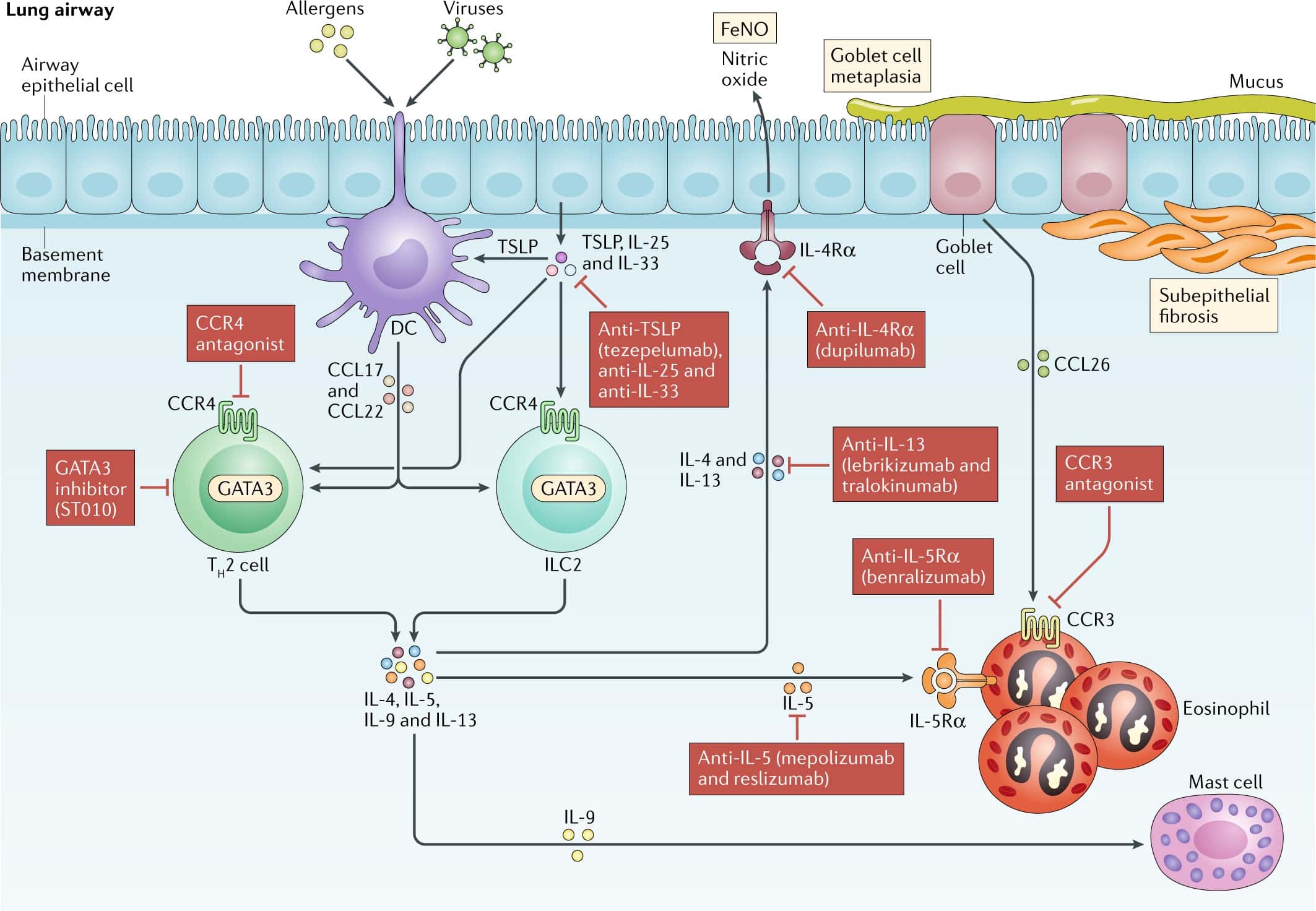
Common asthma medications such as fluticasone and salmeterol were found to work synergistically in controlling inflammatory immune responses. The combination therapy reduced secretion of inflammatory cytokines and influenced the TH1/TH2 balance.
Research demonstrated that these drugs suppress inflammatory mediators including TNF-α and IFN-γ. Additional studies revealed that salmeterol enhances the ability of fluticasone to induce apoptosis in activated T cells through improved glucocorticoid receptor signaling and activation of caspase pathways.
Another important discovery involved pulmonary Clara cells, specialized lung epithelial cells that produce a 10-kDa anti-inflammatory protein. This protein suppresses TH2 cytokines such as IL-4, IL-5, and IL-13 by reducing GATA-3 expression, a transcription factor essential for TH2 immune responses. These findings highlight the important interaction between immune cells and structural lung cells during asthma pathogenesis.
DNA Vaccines and Immunomodulation
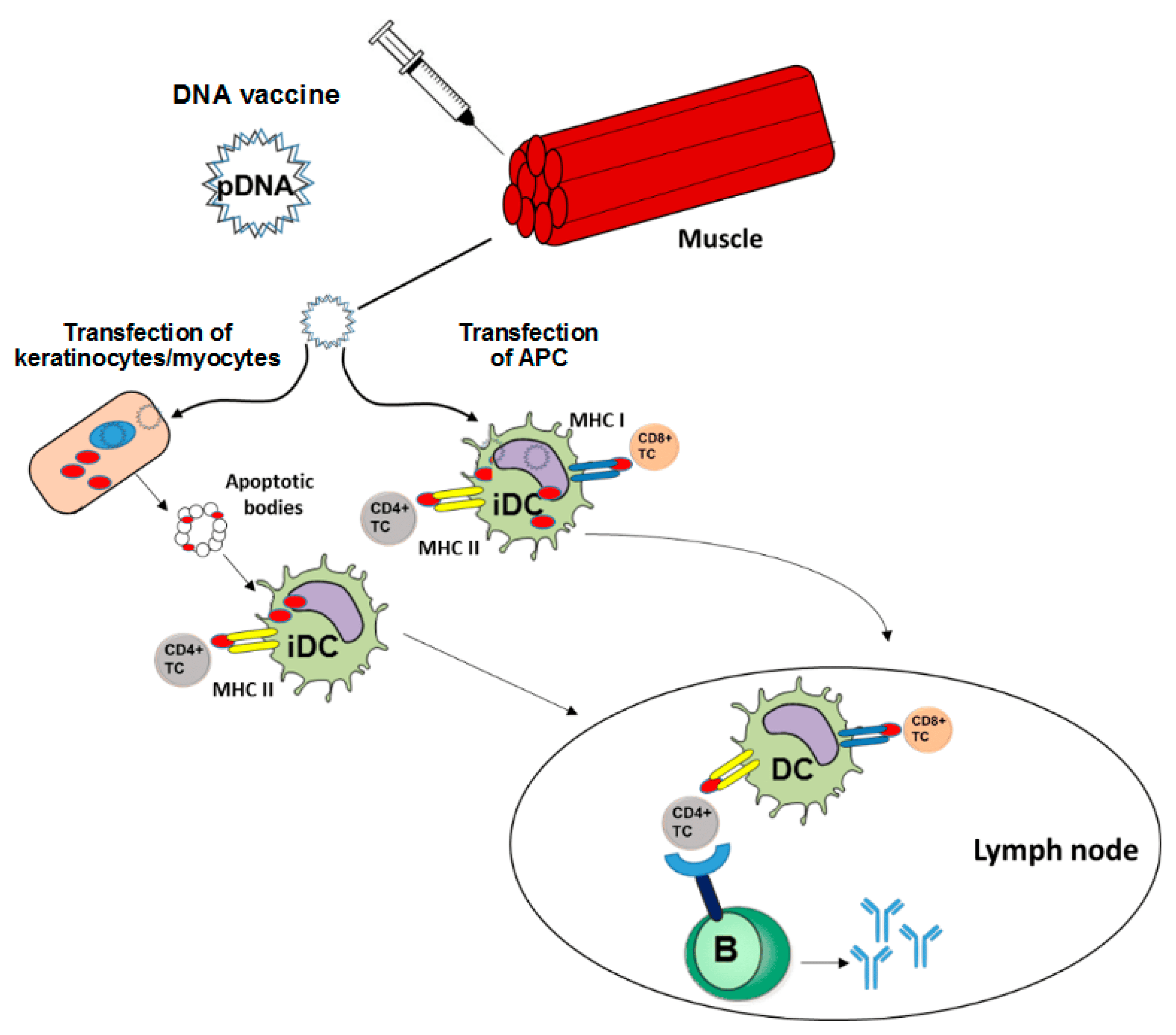
DNA vaccination technology continues to emerge as a promising strategy for allergy treatment and immune modulation. DNA-based vaccines can shift immune responses from TH2-dominant allergic pathways toward protective TH1 responses.
Researchers engineered dendritic cells using adenoviral vectors carrying allergen genes. These modified dendritic cells stimulated stronger TH1 immune responses characterized by increased IFN-γ secretion and activation of CD8+ T cells, while reducing IL-4 and IL-5 production.
Gene gun–mediated DNA delivery was also studied as a nonviral immunization strategy. Mice immunized with allergen-encoding plasmids developed protective IgG2a antibodies without generating allergen-specific IgE, demonstrating reduced allergic sensitization.
Biodegradable microspheres made from polylactide-co-glycolide (PLGA) were also investigated as DNA delivery systems. These particles are efficiently taken up by dendritic cells and promoted strong TH1 immune responses that protected experimental animals from anaphylaxis.
CpG oligonucleotides were another important area of investigation. These synthetic DNA sequences stimulated plasmacytoid dendritic cells to produce TH1 cytokines such as IFN-α and TNF-α while suppressing TH2 cytokine production. This suggests that mucosal dendritic cells may become important therapeutic targets for allergy immunotherapy.
Advances in Cytokine Research
Cytokines remain central regulators of immune communication and inflammatory signaling. Several studies investigated the role of IL-13, IL-17 family cytokines, IL-10, and FoxP3 in allergic inflammation and asthma.
Human B lymphocytes were shown to produce IL-13, which directly contributes to IgE synthesis. Blocking IL-13 significantly reduced IgE production, demonstrating the importance of this cytokine in allergic disease mechanisms.
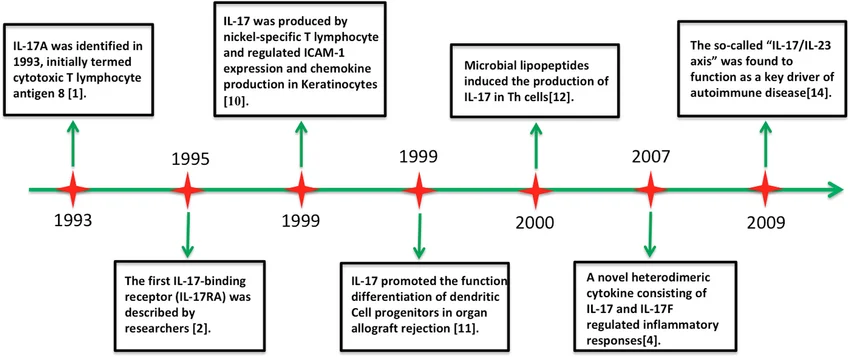
Researchers also identified important functions for IL-17 family cytokines in airway inflammation. IL-17F stimulated bronchial epithelial cells to produce GM-CSF through activation of intracellular signaling pathways, contributing to allergic airway inflammation.
IL-17A was found to stimulate IL-6 secretion in airway smooth muscle cells, further supporting the role of IL-17 cytokines in chronic respiratory inflammation.
Another major finding involved regulatory T cells (Tregs). Increased expression of FoxP3 and IL-10 was observed in corticosteroid-treated asthma patients. These molecules are key markers of regulatory T-cell activity and suggest that corticosteroids may promote anti-inflammatory immune regulation through Treg induction.
HIV Immunopathogenesis and Immune Evasion
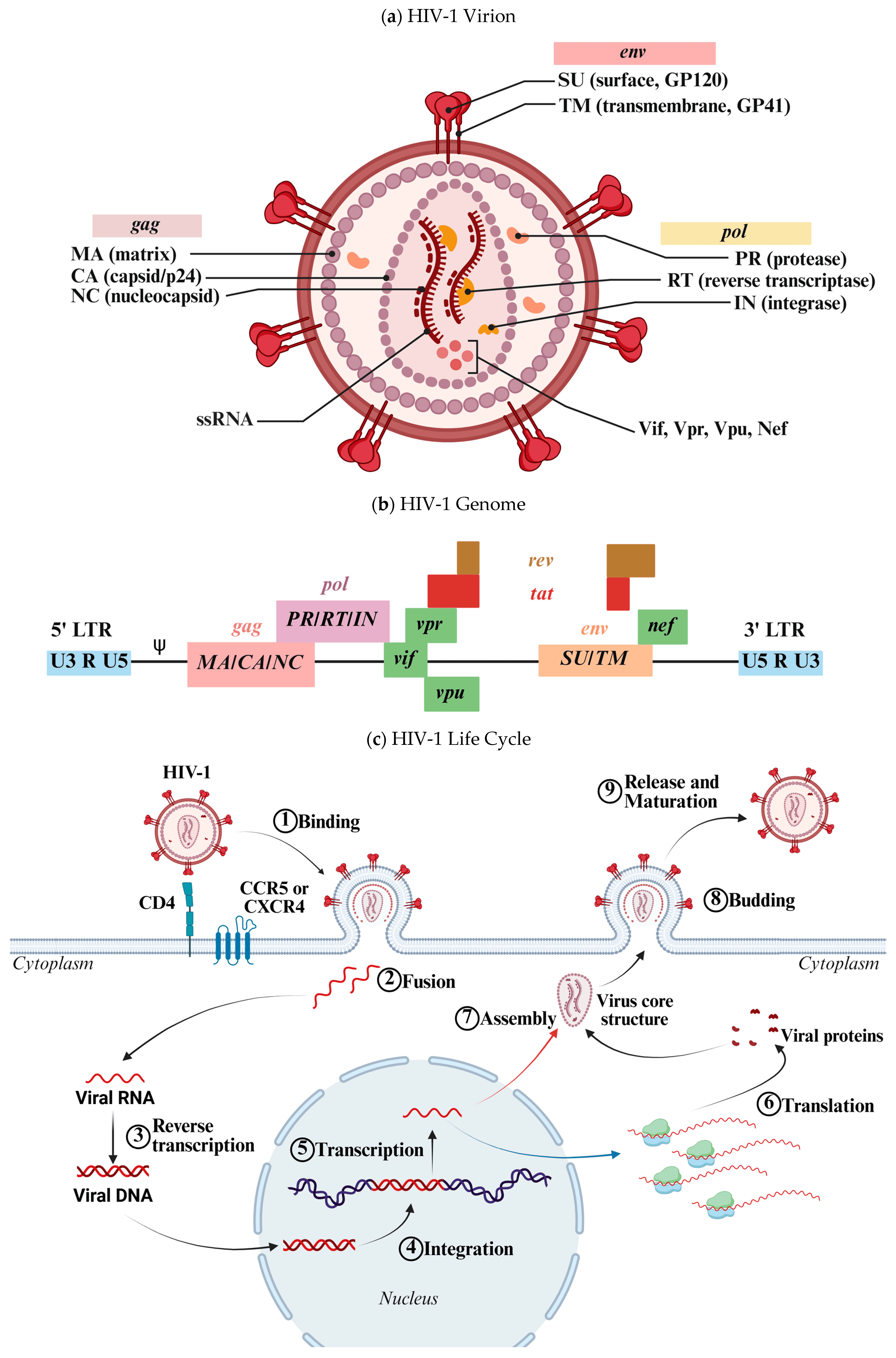
Research on HIV immunology continues to reveal complex viral immune escape mechanisms. Cytotoxic T lymphocyte (CTL) responses exert selective pressure on HIV, resulting in the emergence of viral escape mutations.
Certain HLA alleles were associated with selection of specific HIV Gag protein mutations. These mutations allowed the virus to evade CTL recognition. However, when transmitted to individuals with different HLA backgrounds, some mutations reverted to the original viral sequence, showing the dynamic relationship between host genetics and viral evolution.
Studies also showed that HIV transmission risk increases when couples share similar HLA-B alleles, likely because escape mutants are more efficiently transmitted in genetically similar populations.
Additional immune escape strategies were identified, including mutations that interfere with antigen processing inside antigen-presenting cells, preventing proper presentation of viral peptides to CTLs.
Researchers further investigated innate immunity in maternal-fetal HIV transmission. Specific maternal HLA alleles interacting with NK cell receptors were associated with protection against vertical HIV transmission, emphasizing the importance of natural killer cells in antiviral immunity.
Toll-Like Receptors and Innate Immunity
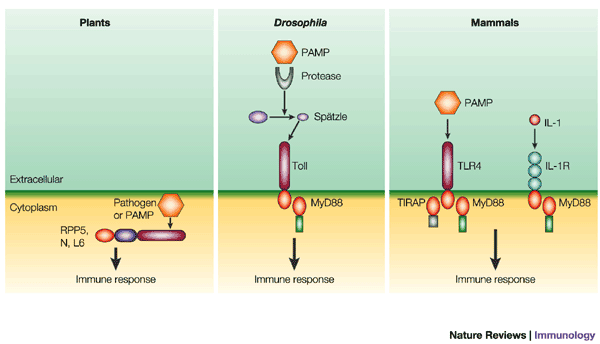
Toll-like receptors are key components of innate immunity and pathogen recognition. Research demonstrated that mast cells express TLR-3 and respond to viral components by producing antiviral cytokines such as IFN-α and IFN-β.
Macrophage activation through TLR-4 was also shown to regulate bacterial growth by increasing production of lipocalin-2, a protein that limits bacterial iron uptake.
Studies in intestinal immunity demonstrated that TLR signaling is essential for maintaining epithelial barrier integrity and regulating responses to commensal bacteria. Animals deficient in TLR signaling developed severe intestinal injury and inflammation.
Researchers also identified direct TLR expression on CD4+ T cells, suggesting that adaptive immune cells can respond directly to microbial signals independently of antigen-presenting cells.
Drug Allergy and Immune Mechanisms
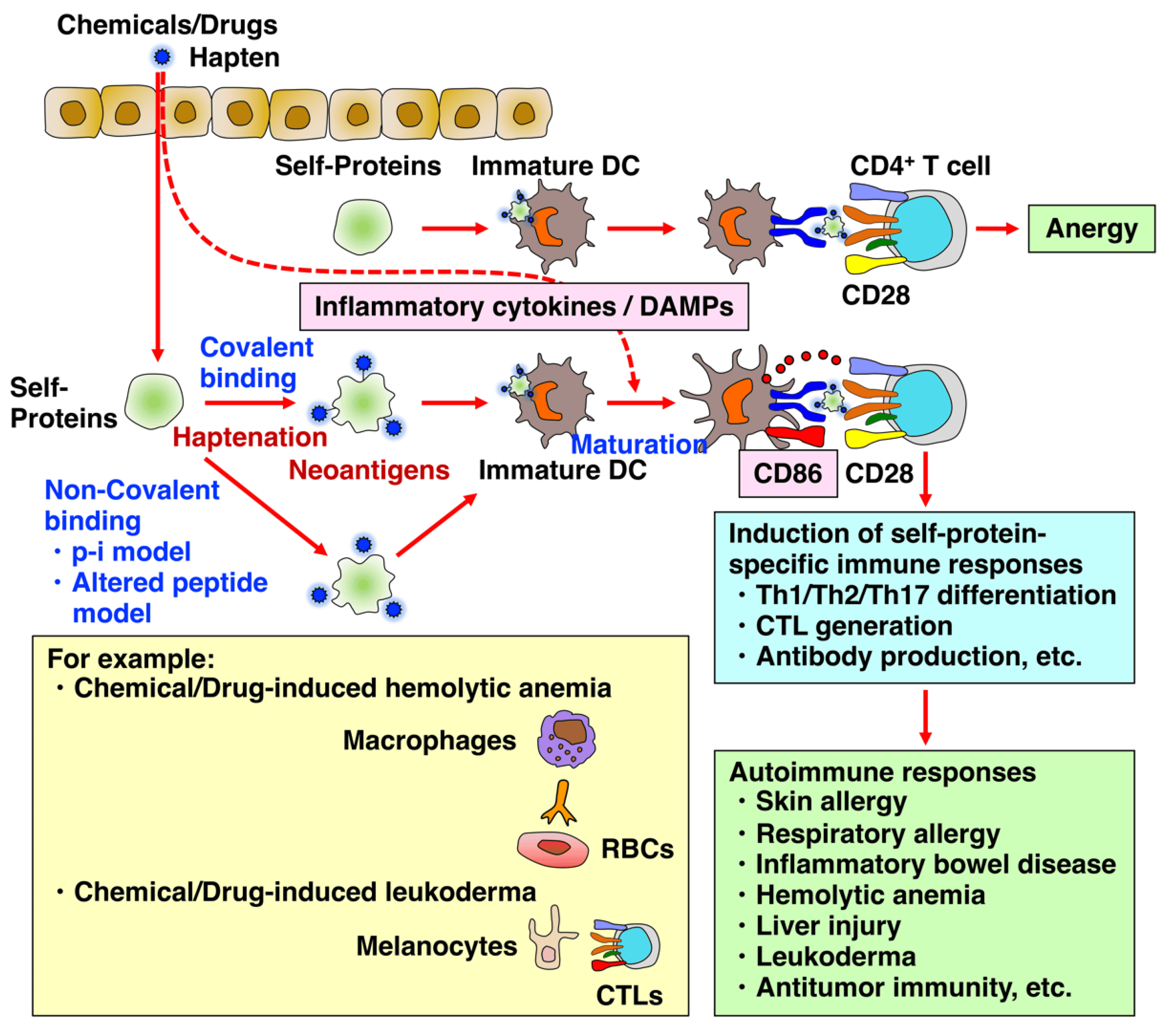
New findings challenged the traditional concept that drug hypersensitivity reactions require covalent binding of drugs to proteins. Researchers demonstrated that certain drugs can directly interact with T-cell receptors without antigen processing.
This mechanism was particularly studied in sulfamethoxazole hypersensitivity reactions, where drug-specific T-cell activation occurred through direct TCR interaction.
Studies on toxic epidermal necrolysis showed that drug-specific CD8+ cytotoxic T cells are major mediators of tissue damage in severe drug hypersensitivity reactions.
Genomics and Autoimmune Disease Research
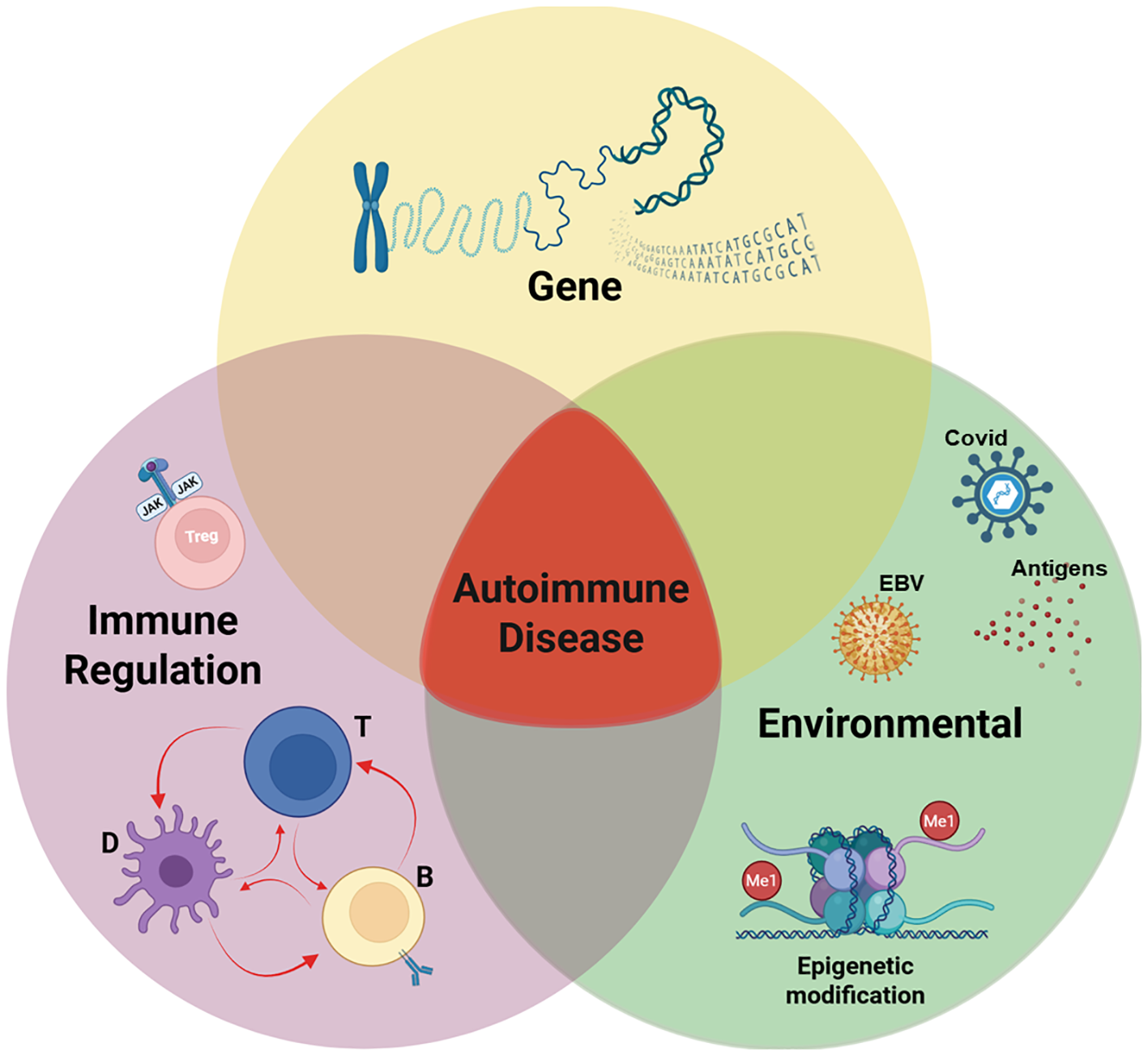
The completion of the human genome project significantly accelerated immunology research. Scientists explored the relationship between alternative splicing and autoimmunity.
Autoimmune-associated proteins showed significantly higher rates of alternative splicing compared with randomly selected proteins. Researchers proposed that abnormal splicing may disrupt immune tolerance and generate novel autoantigens involved in autoimmune diseases.
Gene expression profiling also identified new granulocyte-specific genes and ion channel transcripts involved in allergic inflammation. These discoveries may support the development of targeted therapies for asthma and inflammatory diseases.
Genetic studies additionally identified polymorphisms in immunoregulatory genes associated with altered cytokine production and increased susceptibility to childhood asthma and allergy.
Clinical Immunology and Primary Immunodeficiency Diseases
Clinical immunology research continues to improve diagnosis and treatment of primary immunodeficiency diseases. More than 100 genetic causes of PIDs have now been identified.
Researchers found that many PID cases remain undiagnosed, especially among minority populations. Increased awareness and genetic screening are improving early diagnosis and patient management.
Gene therapy for X-linked severe combined immunodeficiency (SCID) achieved successful T-cell restoration in several patients. However, some children developed leukemia caused by retroviral vector insertion into oncogenes, highlighting the need for safer gene delivery systems.
Subcutaneous immunoglobulin therapy also emerged as an effective home-based treatment option for PID patients, improving quality of life and long-term disease management.
Common Variable Immunodeficiency and DiGeorge Syndrome
Important progress was made in understanding common variable immunodeficiency (CVID). Certain inflammatory lung complications were associated with poor prognosis and increased risk of lymphoproliferative disease.
Mutations in the inducible costimulatory molecule (ICOS) gene were identified as causes of a minority of autosomal-recessive CVID cases.
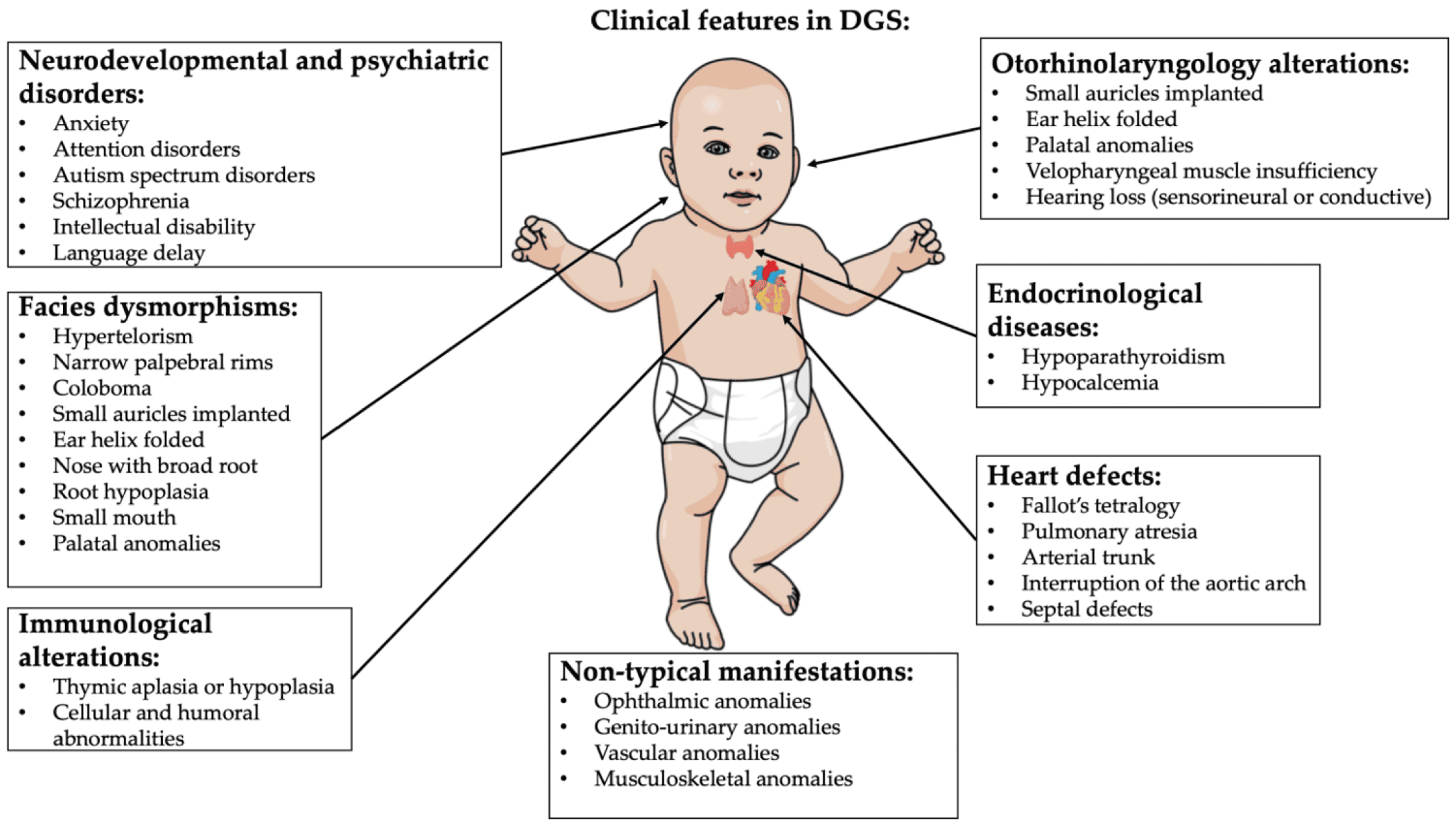
Research on DiGeorge syndrome demonstrated that some patients retain peripheral T cells despite impaired thymic function. This finding emphasizes the importance of evaluating thymic activity in addition to simple T-cell counts.
Studies also suggested that live vaccines may be relatively safe in patients with mild forms of DiGeorge syndrome, although careful immunologic evaluation remains essential.
Complement Deficiency and Hereditary Angioedema

Comprehensive reviews improved clinical understanding of complement deficiencies and hereditary angioedema caused by C1 inhibitor deficiency.
Consensus management guidelines now support the use of therapies such as tranexamic acid, androgens, and C1 inhibitor concentrates for hereditary angioedema treatment and prevention.
Immune Restoration Syndrome in HIV
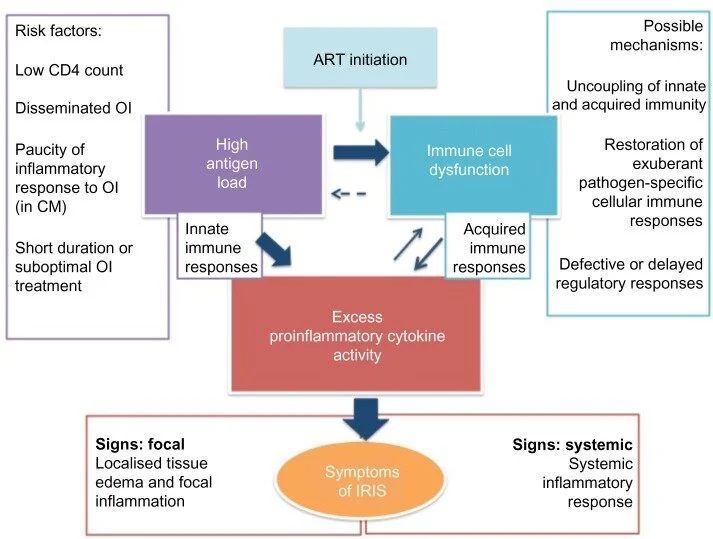
Immune restoration disease (IRD) was identified in HIV-infected children receiving highly active antiretroviral therapy (HAART). These inflammatory reactions occurred after immune recovery and were commonly associated with herpes zoster infections.
This syndrome highlights the complexity of immune reconstitution following severe immunosuppression.
Conclusion
Recent advances in basic and clinical immunology have significantly improved the understanding of immune regulation, inflammatory diseases, allergy, HIV immunopathogenesis, innate immunity, and genetic immunodeficiencies.
Research on TH1/TH2 balance, cytokine signaling, Toll-like receptors, DNA vaccines, and immune tolerance continues to reveal important therapeutic targets for asthma, allergy, autoimmune disorders, and infectious diseases.
At the clinical level, progress in gene therapy, immunoglobulin replacement, genomic analysis, and molecular diagnosis is transforming the management of primary immunodeficiency diseases and complex immune disorders.
The integration of molecular biology, genomics, immunotherapy, and translational medicine is accelerating the development of precision immunology approaches that may improve future diagnosis, prevention, and treatment strategies across multiple immune-mediated diseases.