

Introduction
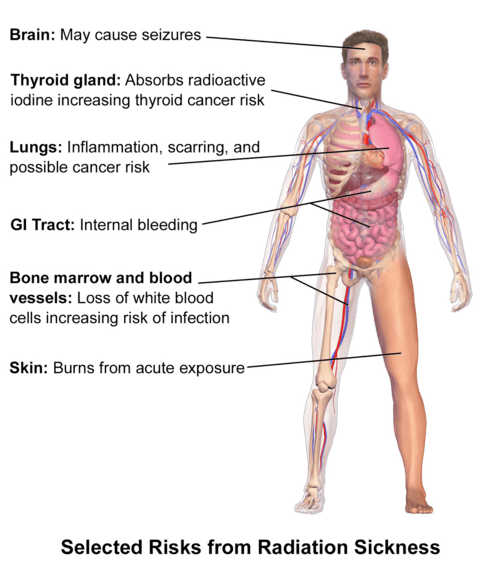
Ionizing radiation is a major health risk that can cause serious tissue damage in both medical and environmental contexts. Exposure to high doses of radiation, such as during nuclear accidents or cancer radiotherapy, can lead to acute radiation syndrome (ARS), a condition characterized by rapid cellular damage, immune suppression, and organ dysfunction.
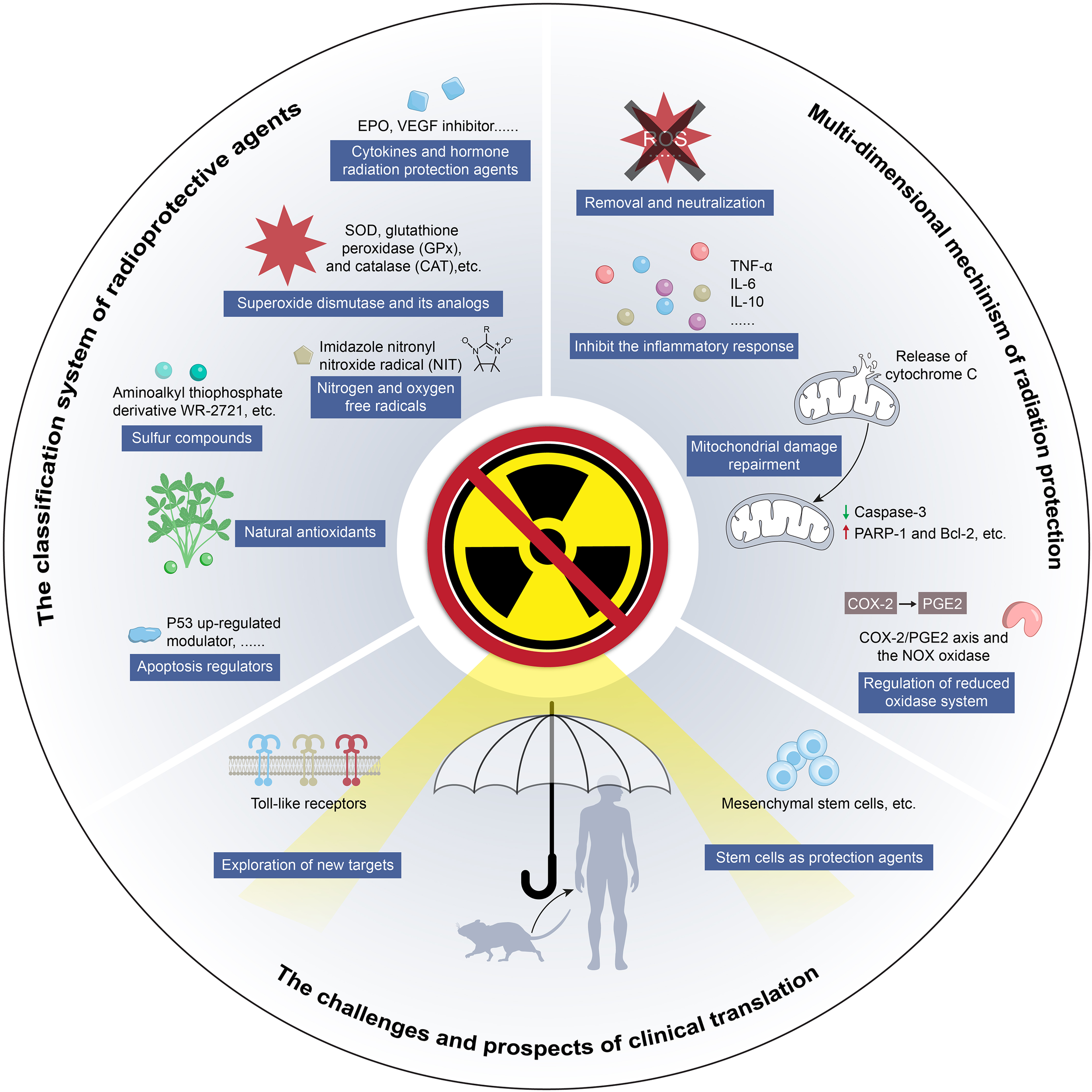
Even low-dose radiation exposure can negatively affect human health over time. Because of this, developing effective radiation-protective agents is an important goal in biomedical research. However, most current radioprotective drugs show limitations such as toxicity, short treatment windows, or low clinical efficiency.
Problem Statement: Limitations of Current Radioprotective Agents
Although many chemical and biological compounds have been tested for radiation protection, most fail in real clinical applications due to:
- High toxicity at effective doses
- Narrow time window for administration (before or immediately after exposure)
- Low specificity toward biological targets
- Limited ability to protect normal tissues without affecting cancer treatment outcomes
This creates a strong need for safer and more effective radiation damage control strategies.
Immune System and Radiation Damage
The immune system is one of the most sensitive biological targets of ionizing radiation. Radiation exposure disrupts immune signaling, weakens defense mechanisms, and increases inflammation.
A key component of immune response is the Toll-Like Receptor (TLR) family, especially:
- TLRs regulate innate immunity
- They activate immune signaling pathways
- They stimulate cytokine and chemokine production
- They connect innate and adaptive immune responses
Among them, TLR5 (Toll-Like Receptor 5) plays a critical role in immune activation and inflammation regulation.
TLR5 and NF-κB Signaling Pathway
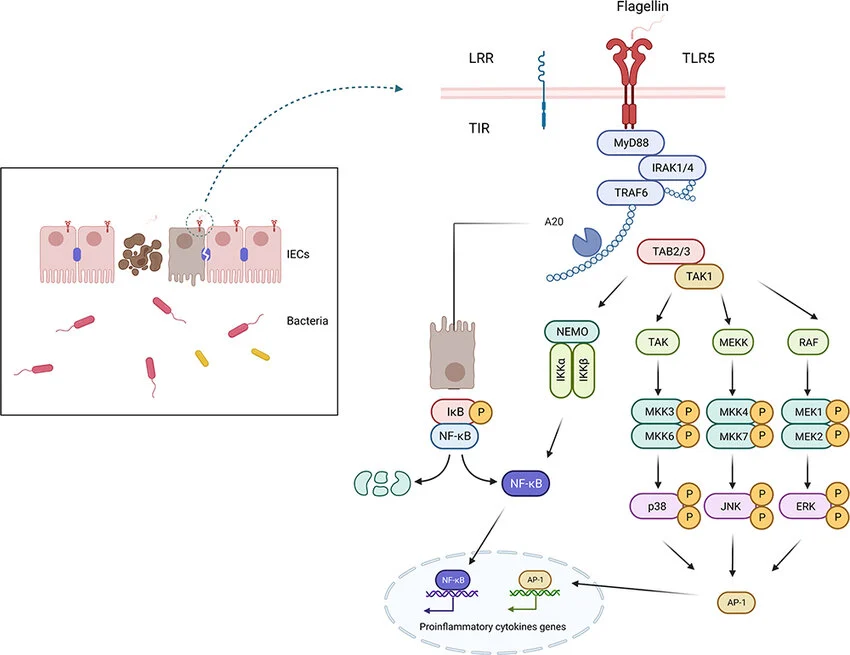
TLR5 is mainly found in epithelial cells, macrophages, dendritic cells, and mononuclear cells. It is activated naturally by bacterial flagellin.
Once activated, TLR5 triggers the NF-κB signaling pathway, which:
- Controls inflammatory gene expression
- Regulates immune response activation
- Supports cell survival and stress response
The only known natural TLR5 activator is flagellin, a bacterial protein. However, its use in therapy is limited due to stability and production constraints.
Polyethylenimine (PEI) as a Potential TLR5 Agonist
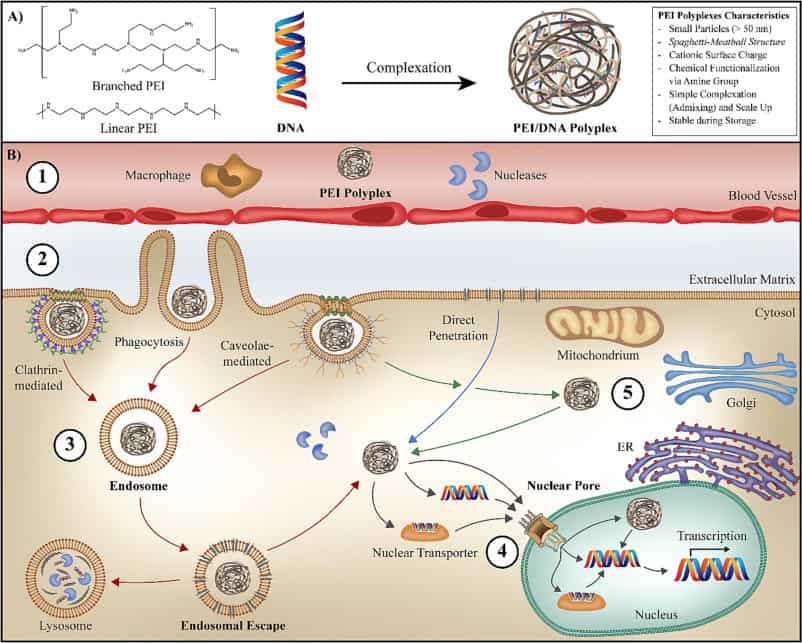
Polyethylenimine (PEI) is a synthetic polymer widely used in gene delivery systems. It exists in linear and branched forms and is known for its strong positive ionic charge.
Recent research suggests that PEI may:
- Activate TLR5 receptors
- Trigger NF-κB signaling
- Induce immune-related cytokines such as KC and IP-10
However, its potential role in radiation protection had not been clearly explored.
Research Hypothesis
The study proposes that:
PEI may act as a TLR5 agonist, activating the TLR5-mediated NF-κB pathway, which could lead to protection against ionizing radiation damage.
Method Overview (Simplified)
To test this hypothesis, researchers used both cell-based experiments and animal models.
1. Cell-Based Model
- Human TLR5 gene was cloned into expression vectors
- HEK293T cells were used for receptor expression
- NF-κB luciferase reporter system measured pathway activation
- PEI and flagellin were tested as activators
2. Cytotoxicity Testing
- MTT assay evaluated PEI toxicity in cells
- Safe concentration ranges were identified
3. In Vivo Mouse Model
- C57BL/6J mice were exposed to gamma radiation (8 Gy)
- Different doses of PEI were administered before exposure
- Survival rate and body weight were monitored for 30 days
Findings
1. PEI Activates TLR5/NF-κB Pathway
- PEI significantly increased NF-κB activity in a dose-dependent manner
- Activation level was similar to flagellin (known TLR5 agonist)
- Confirms PEI behaves as a functional TLR5 activator
2. Low Cytotoxicity at Controlled Doses
- PEI showed no significant toxicity at low concentrations
- Safe levels were identified for biological application
3. Strong Anti-Radiation Effect in Mice
In vivo experiments showed clear protective effects:
- Improved survival rate after radiation exposure
- Reduced weight loss in treated mice
- Increased overall survival time
- Better recovery compared to untreated group
Results showed dose-dependent protection, with higher PEI doses providing stronger radioprotective effects.
Mechanism of Action
The protective effect of PEI is mainly linked to:
- Activation of TLR5 receptor
- Stimulation of NF-κB signaling pathway
- Induction of immune and survival-related genes
- Reduction of radiation-induced cell apoptosis
This mechanism helps protect normal tissues while maintaining immune function under radiation stress.
Comparison with Existing TLR5 Agonists
The natural TLR5 ligand, flagellin, has limitations in stability and therapeutic use. PEI offers potential advantages:
- Easier chemical production
- More stable under storage conditions
- Lower required dosage
- Flexible delivery in biomedical systems
These properties make PEI a promising candidate for further development.
Applications of PEI in Radiation Protection
Based on the findings, PEI may have potential use in:
- Protection during cancer radiotherapy
- Emergency treatment in radiation accidents
- Development of immune-based radioprotective drugs
- Combination therapy with existing cancer treatments
Conclusion
This study demonstrates that polyethylenimine (PEI) is a novel TLR5 agonist capable of activating the NF-κB immune signaling pathway and providing significant protection against ionizing radiation damage.
Key takeaways:
- PEI activates TLR5 similarly to flagellin
- It triggers immune defense via NF-κB signaling
- It reduces radiation-induced damage in vivo
- It improves survival and recovery in irradiated models
Overall, PEI represents a promising candidate for developing new radiation protection therapies, especially in oncology and nuclear safety applications.