

Introduction to Th2 Cells and Immune Regulation
The immune system is a highly coordinated biological network responsible for protecting the body against pathogens, allergens, and harmful environmental agents. Multiple immune processes such as cell activation, proliferation, differentiation, apoptosis, and immune tolerance can all originate from a single antigenic stimulus recognized by T lymphocytes. One of the most important immune cell populations involved in adaptive immunity is the CD4+ helper T cell population.
When naive CD4+ T cells recognize antigen peptides through the T cell receptor (TCR), they undergo clonal expansion and differentiate into specialized helper T-cell subsets including Th1, Th2, and Th17 cells. Each subset possesses unique transcription factors and cytokine secretion profiles that determine the nature of the immune response.
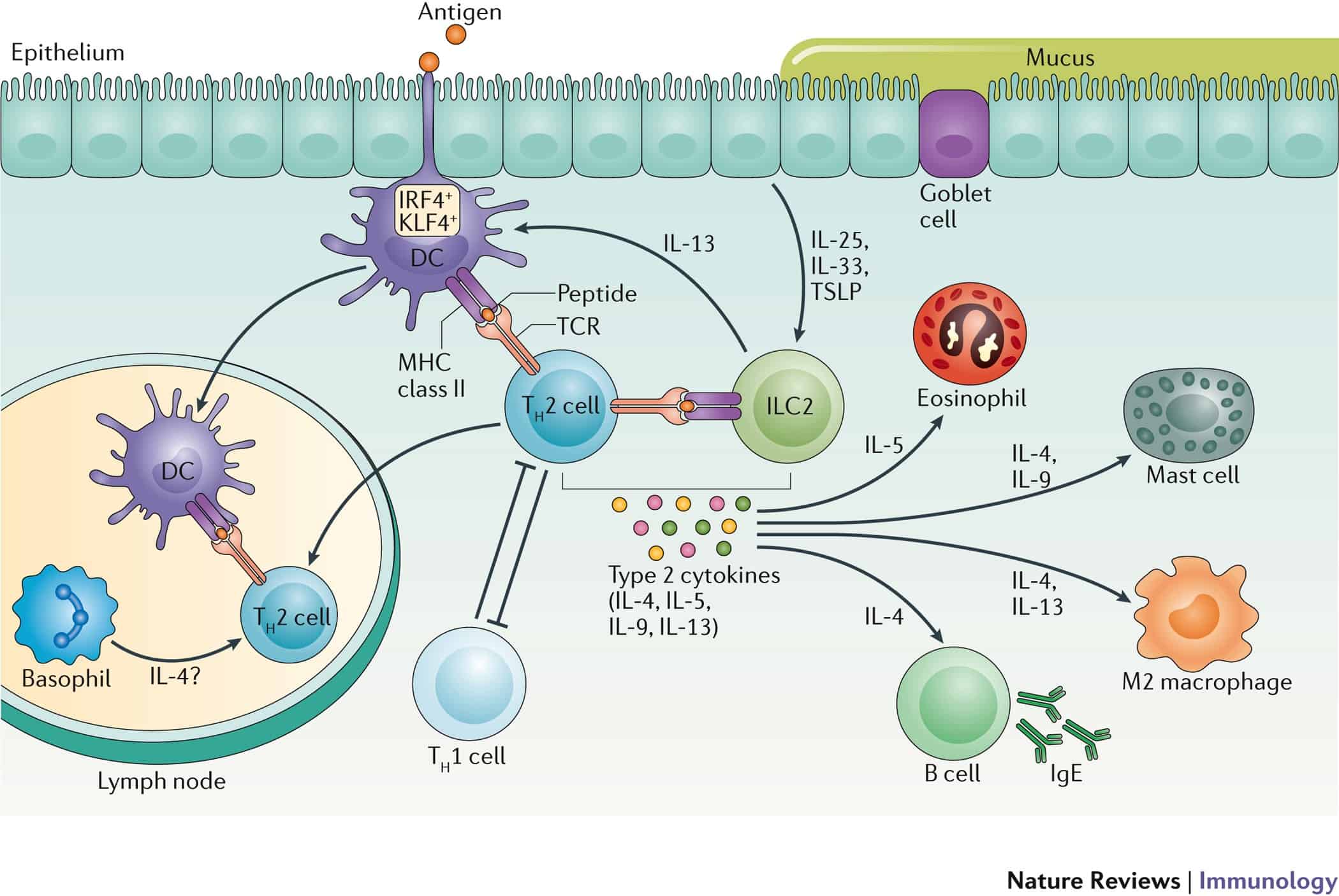
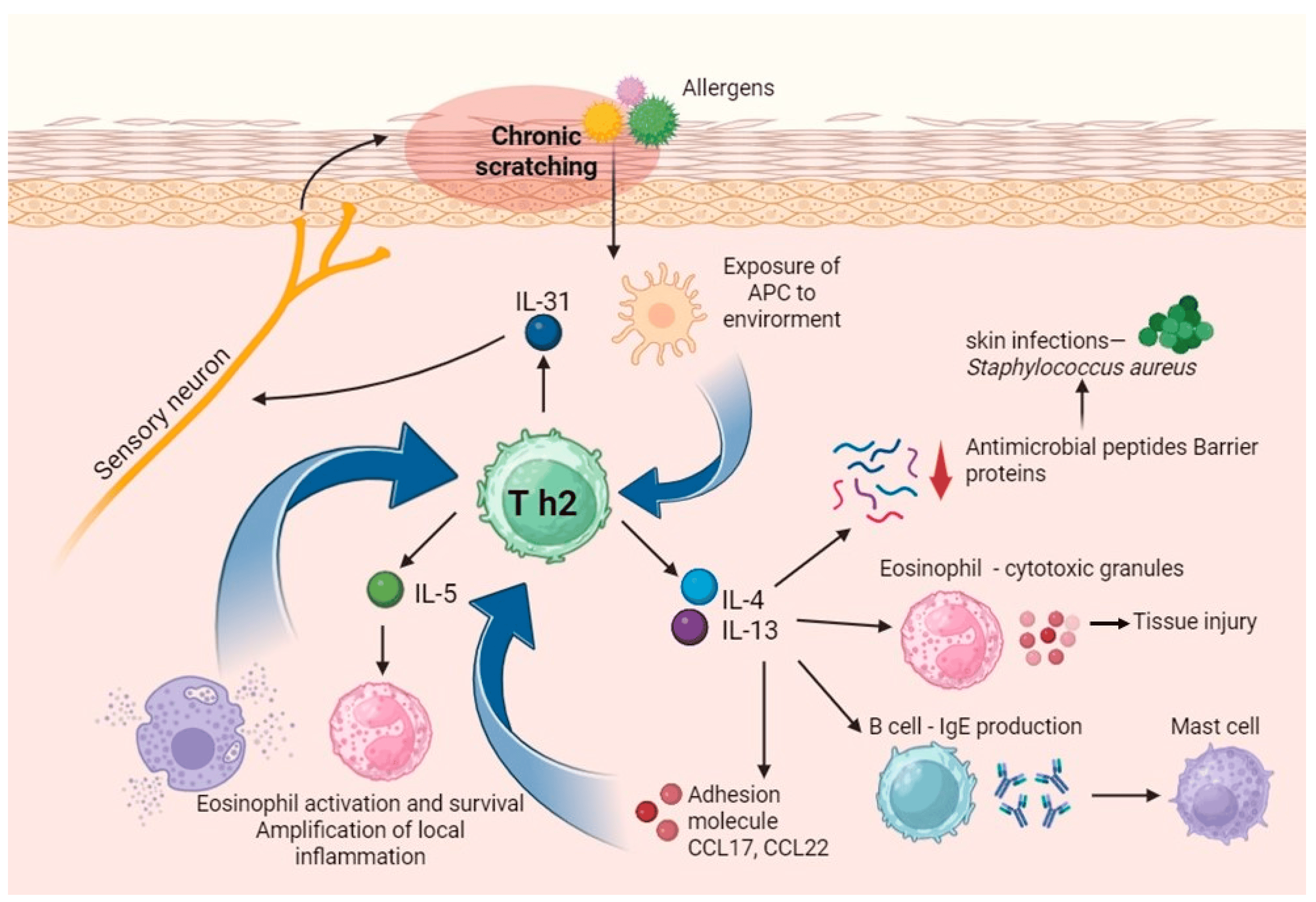
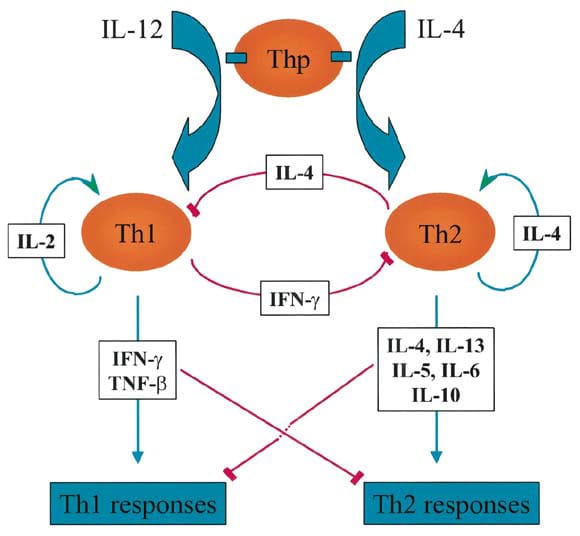
Th1 cells are characterized by expression of the transcription factor T-bet and production of interferon-gamma (IFN-γ), which promotes cellular immunity and inflammatory responses against intracellular pathogens. In contrast, Th2 cells express the transcription factor GATA3 and produce cytokines such as interleukin-4 (IL-4), IL-5, and IL-13, which are strongly associated with allergic inflammation, eosinophilic responses, and humoral immunity. Th17 cells express ROR-γt and produce IL-17, playing major roles in chronic inflammation and autoimmune diseases.
Although Th1 and Th17 responses are primarily associated with autoimmune and autoinflammatory disorders, Th2 cells are critically involved in allergic diseases including asthma, atopic dermatitis, chronic rhinosinusitis, and eosinophilic gastrointestinal disorders. Over recent decades, extensive molecular and cellular research has significantly improved the understanding of Th2 cell differentiation, epigenetic regulation, transcriptional programming, and pathogenic mechanisms.
Molecular Mechanisms of Th2 Cell Differentiation
Activation of Naive CD4+ T Cells
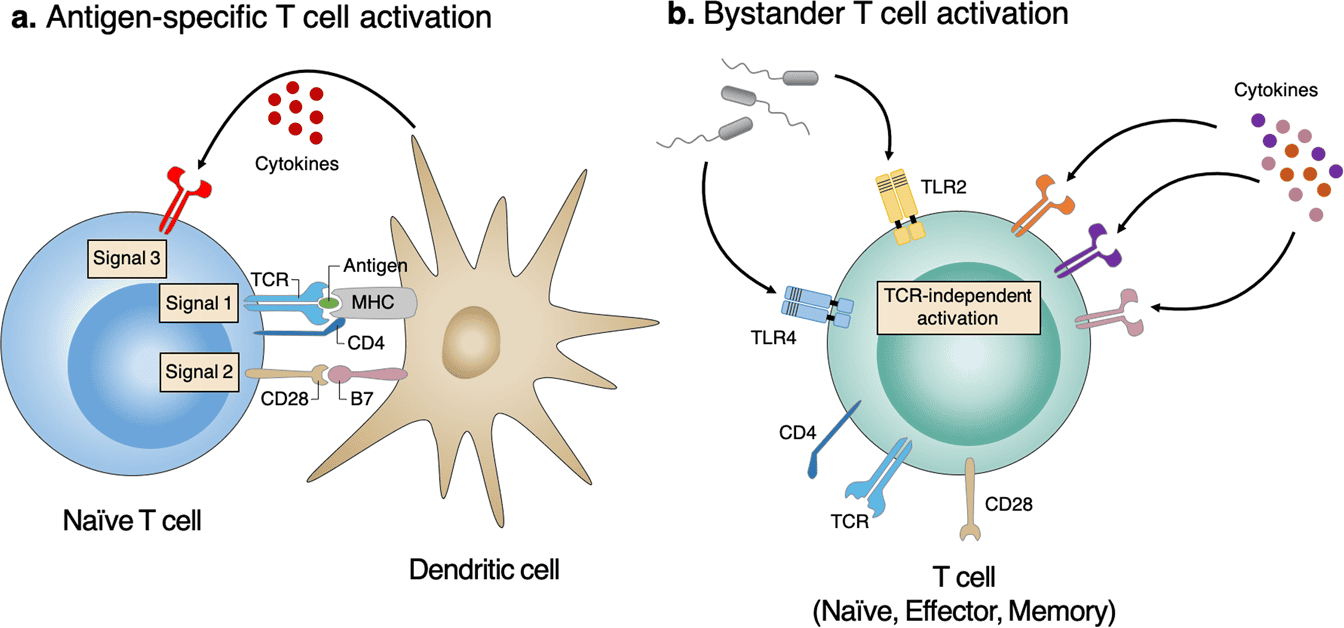
The differentiation of naive CD4+ T lymphocytes into Th2 cells begins after antigen recognition through the T cell receptor. This activation process occurs mainly within lymphoid tissues and requires coordinated signaling from:
- T cell receptor (TCR) pathways
- Costimulatory receptors
- Cytokine receptors
- Metabolic signaling pathways
Following activation, differentiated Th2 effector cells migrate toward inflamed tissues where they produce large quantities of cytokines after re-exposure to specific antigens.
The recognition of antigen peptides by TCRs therefore represents the critical initial event that launches the molecular program responsible for Th2-mediated immune responses.
Cytokine-Induced Signaling Pathways in Th2 Differentiation
Central Role of IL-4 and STAT6
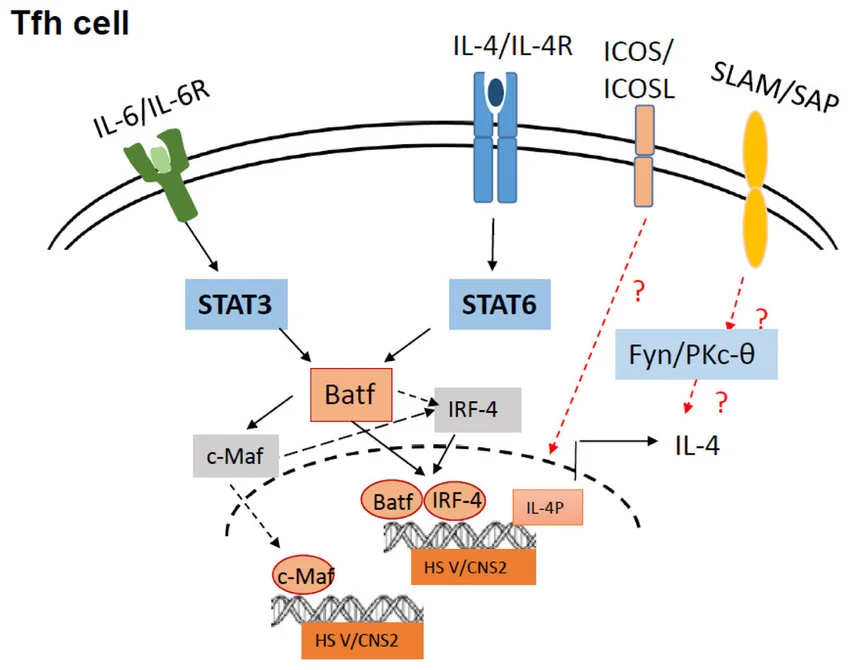
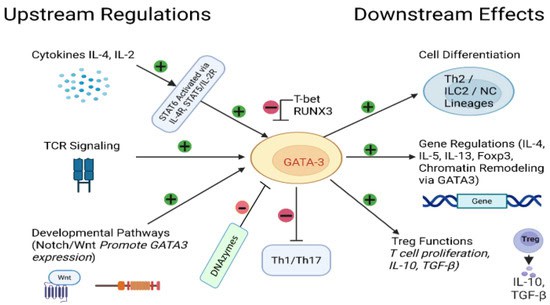
IL-4 is considered the master cytokine driving Th2 cell differentiation. Binding of IL-4 to its receptor activates STAT6 signaling, which subsequently induces the expression of GATA3, the principal transcription factor controlling Th2 lineage commitment.
The IL-4/STAT6 signaling axis promotes:
- Activation of Th2-specific genes
- Suppression of alternative Th1 and Th17 differentiation pathways
- Chromatin remodeling at Th2 cytokine loci
- Stabilization of the Th2 transcriptional program
High levels of GATA3 expression require cooperation between STAT6 activation and TCR-mediated ERK/MAPK signaling pathways.
Additional Cytokines Supporting Th2 Responses
Besides IL-4, several epithelial-derived cytokines contribute to Th2 immune responses, including:
- Thymic stromal lymphopoietin (TSLP)
- IL-25
- IL-33
These cytokines amplify allergic inflammation under both physiological and pathological conditions.
IL-2-mediated STAT5 activation also contributes significantly to Th2 differentiation and proliferation. Moreover, IL-33 can stimulate IL-5 production in memory Th2 cells through activation of the p38 MAPK pathway.
GATA3: Master Regulator of Th2 Cell Identity
Biological Functions of GATA3
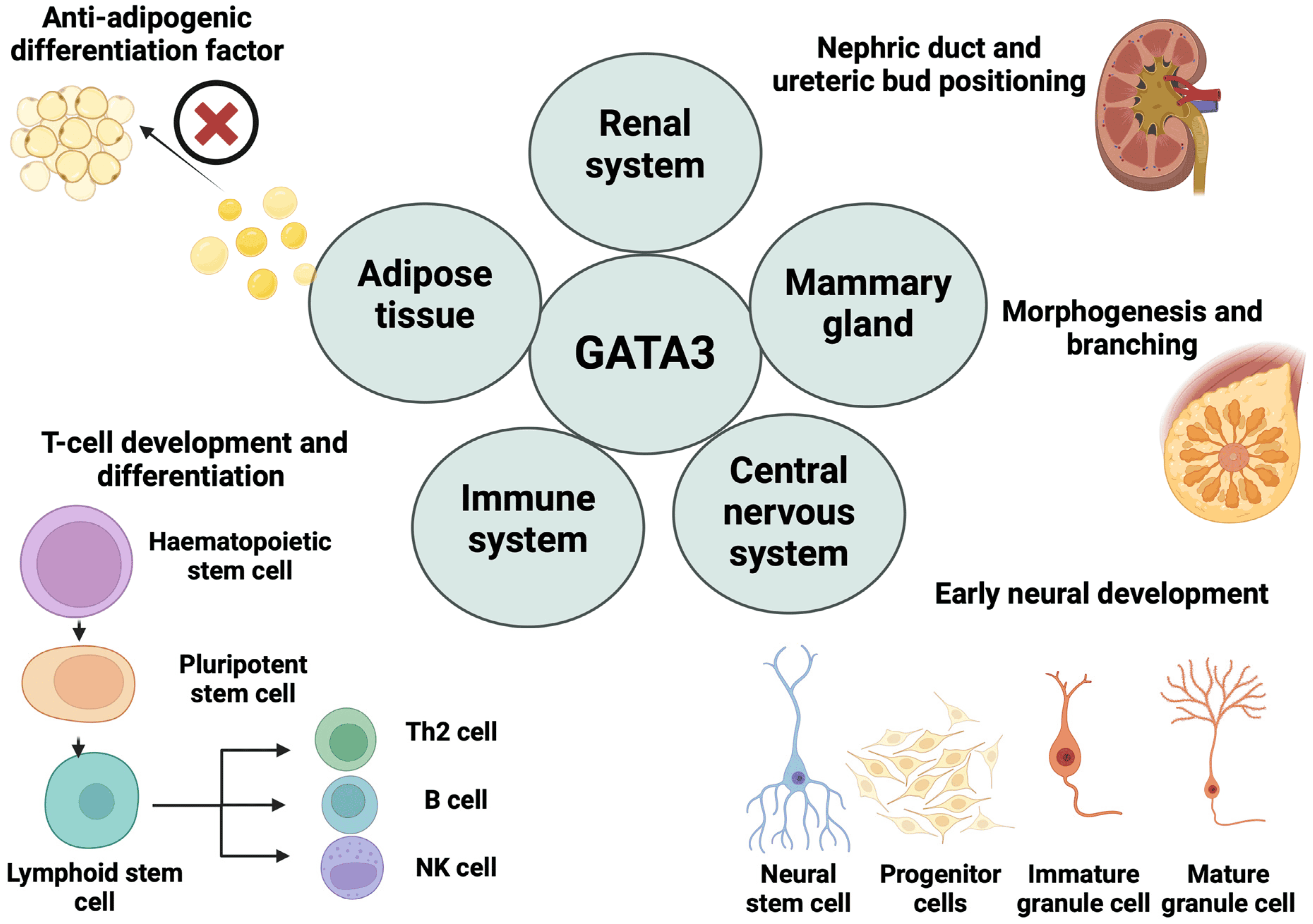
GATA3 is the central transcription factor responsible for establishing and maintaining Th2 cell identity. It regulates multiple aspects of Th2 biology including:
- Expression of IL-4, IL-5, and IL-13
- Suppression of IFN-γ production
- Chromatin remodeling of Th2 cytokine loci
- Promotion of Th2 cell proliferation
- Stabilization of Th2 lineage commitment
Experimental studies demonstrated that overexpression of GATA3 in Th1 cells induces Th2 cytokine production while simultaneously repressing Th1-associated genes.
Conversely, deletion of the Gata3 gene prevents Th2 differentiation and promotes development toward a Th1 phenotype.
GATA3 and Chromatin Remodeling
GATA3 controls epigenetic modifications at cytokine gene loci. It induces open chromatin configurations at Th2 cytokine regions while promoting closed chromatin structures at Th1-associated loci such as Ifng.
This dual activity allows GATA3 to simultaneously activate Th2 programs and suppress alternative inflammatory pathways.
TCR Signaling and Th2 Cell Fate Determination
Influence of Antigen Dose and Signal Strength
The strength and duration of TCR signaling significantly influence Th cell differentiation outcomes. Studies suggest that both low and high antigen doses may favor Th2 differentiation, whereas intermediate antigen concentrations preferentially promote Th1 responses.
This biphasic model demonstrates that TCR signaling intensity plays a major role in determining helper T-cell lineage commitment.
MAPK Signaling Cascades
Several intracellular signaling pathways downstream of the TCR regulate Th2 differentiation:
ERK/MAPK Pathway
The ERK/MAPK cascade strongly promotes Th2 differentiation and allergic inflammation by stabilizing GATA3 expression.
Calcium/Calcineurin Pathway
Th2 differentiation is highly dependent on calcium/calcineurin signaling, which regulates NFAT transcription factors involved in IL-4 production.
PKC/NF-κB Pathway
Protein kinase C theta (PKCθ) and NF-κB signaling are essential for efficient Th2-mediated immune responses and cytokine production.
These signaling networks collectively coordinate the activation of genes required for Th2 lineage specification.
mTOR Signaling in Th2 Cell Biology
mTOR Complexes and Immune Metabolism
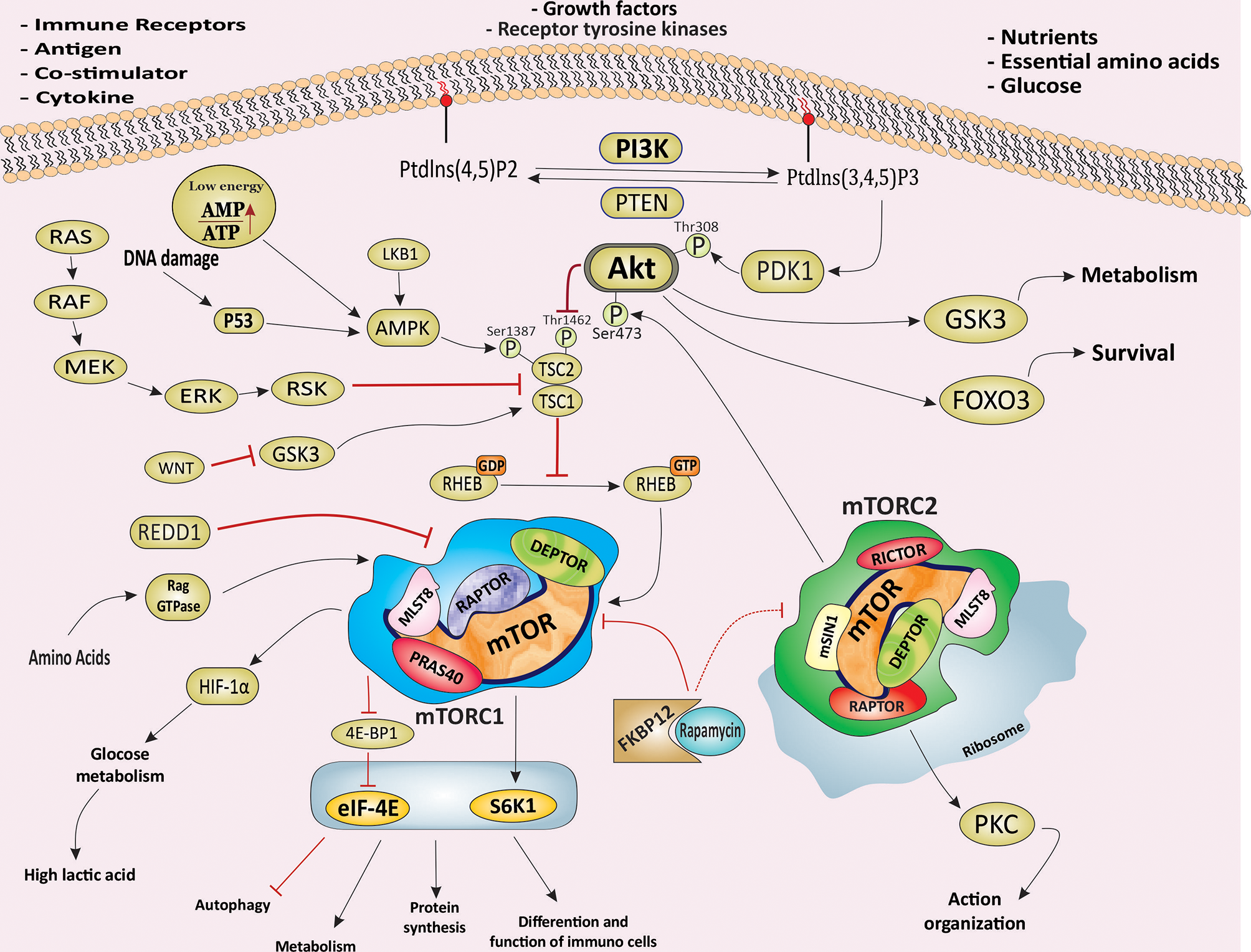
The mechanistic target of rapamycin (mTOR) pathway is a key regulator of immune cell metabolism, growth, and differentiation.
mTOR exists in two major complexes:
- mTORC1
- mTORC2
These complexes integrate environmental signals including nutrients, cytokines, and growth factors.
Role of mTORC1 and mTORC2 in Th2 Differentiation
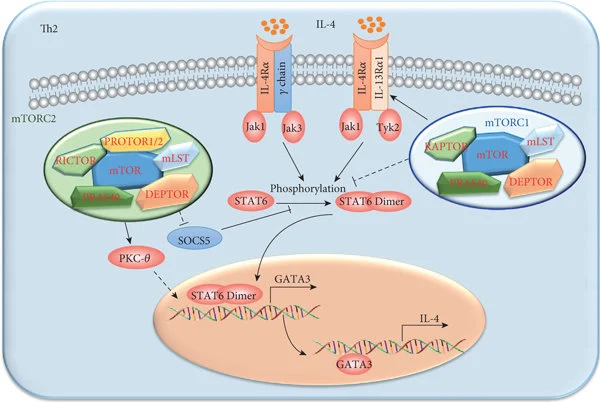
mTORC1 regulates metabolic reprogramming necessary for Th2 cell activation and proliferation. Loss of mTORC1 signaling impairs Th2 development and alters immune responses.
mTORC2 contributes to Th2 differentiation by regulating STAT6 activity and suppressing inhibitory pathways such as SOCS5 signaling.
Downstream targets such as SGK1 further promote Th2 lineage commitment while suppressing Th1 differentiation.
Epigenetic Regulation of Th2 Cell Identity
Histone Modifications and DNA Methylation
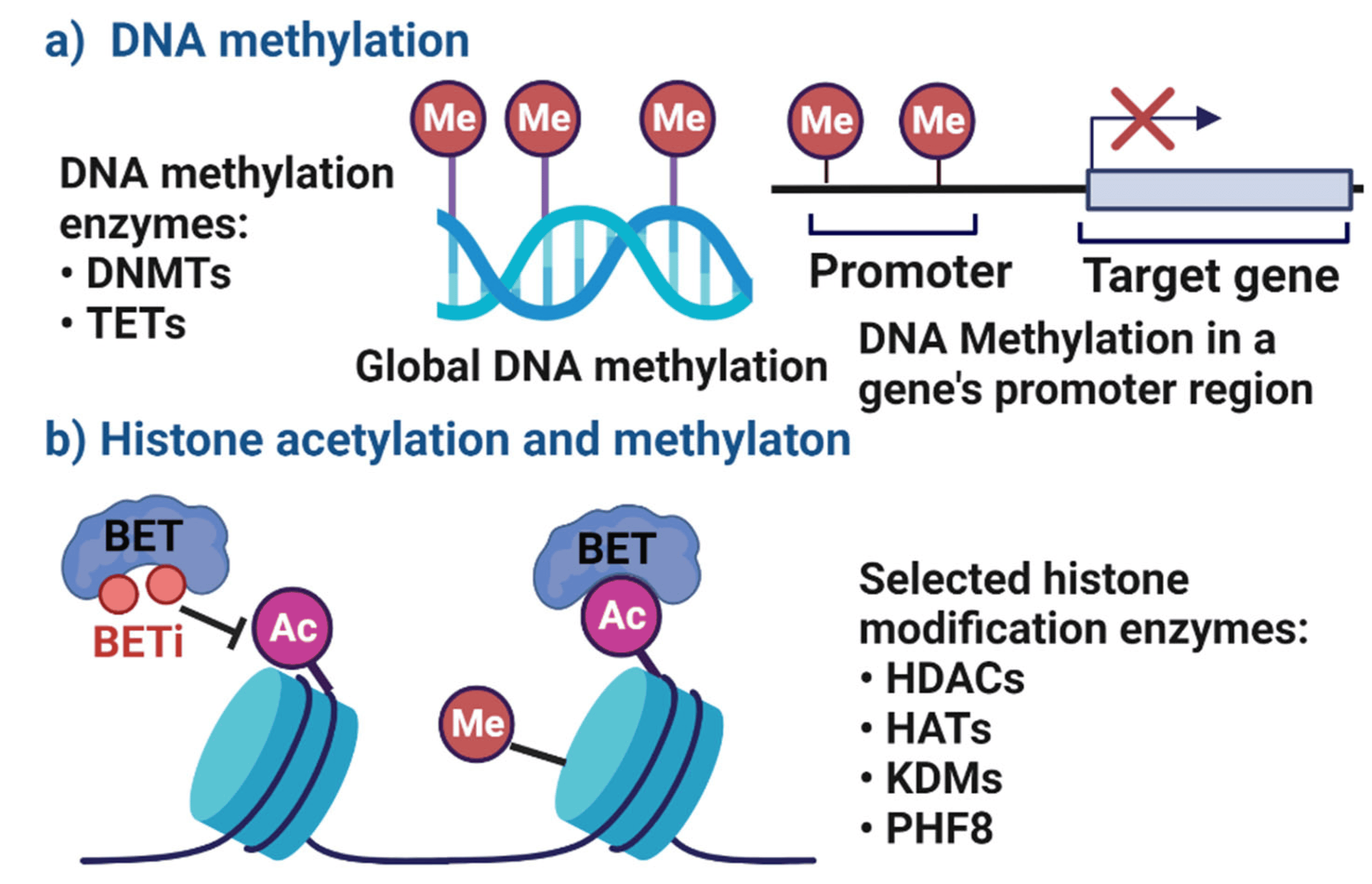
Epigenetic regulation is essential for establishing and maintaining Th2 cell identity. Histone modifications and DNA methylation control accessibility of transcriptional machinery to cytokine genes.
Important activating epigenetic marks include:
- H3K4 methylation
- Histone acetylation
Repressive marks include:
- H3K27 methylation
- DNA methylation
These modifications dynamically regulate gene expression during Th2 differentiation.
Polycomb and Trithorax Complexes
PcG and TrxG Proteins
Polycomb group (PcG) proteins and Trithorax group (TrxG) proteins are major epigenetic regulators involved in immune cell differentiation.
Polycomb Complexes
PcG proteins mediate gene repression through H3K27 trimethylation.
Trithorax Complexes
TrxG proteins promote gene activation through H3K4 trimethylation.
Dynamic interactions between these complexes regulate expression of Gata3 and other genes critical for Th2 cell development.
Memory Th2 Cells and Pathogenic Tpath2 Cells
Functional Diversity of Memory Th2 Cells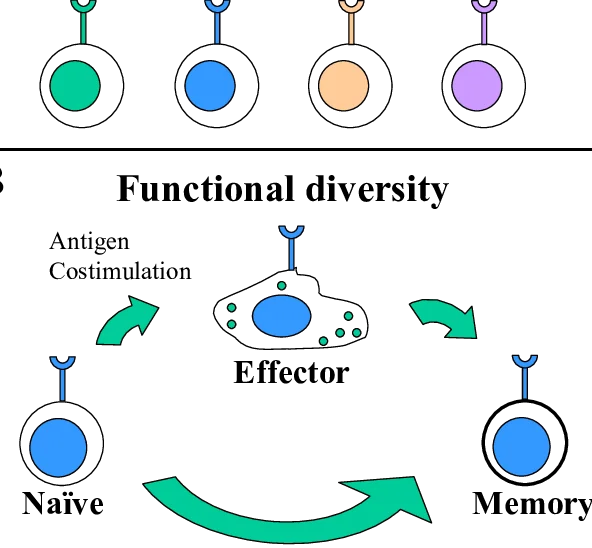
Memory Th2 cells represent highly specialized populations involved in chronic allergic inflammation. Certain pathogenic subsets, known as Tpath2 cells, produce extremely high levels of IL-5 and strongly contribute to eosinophilic inflammation.
These cells play major roles in:
- Severe asthma
- Chronic dermatitis
- Eosinophilic airway inflammation
- Chronic rhinosinusitis
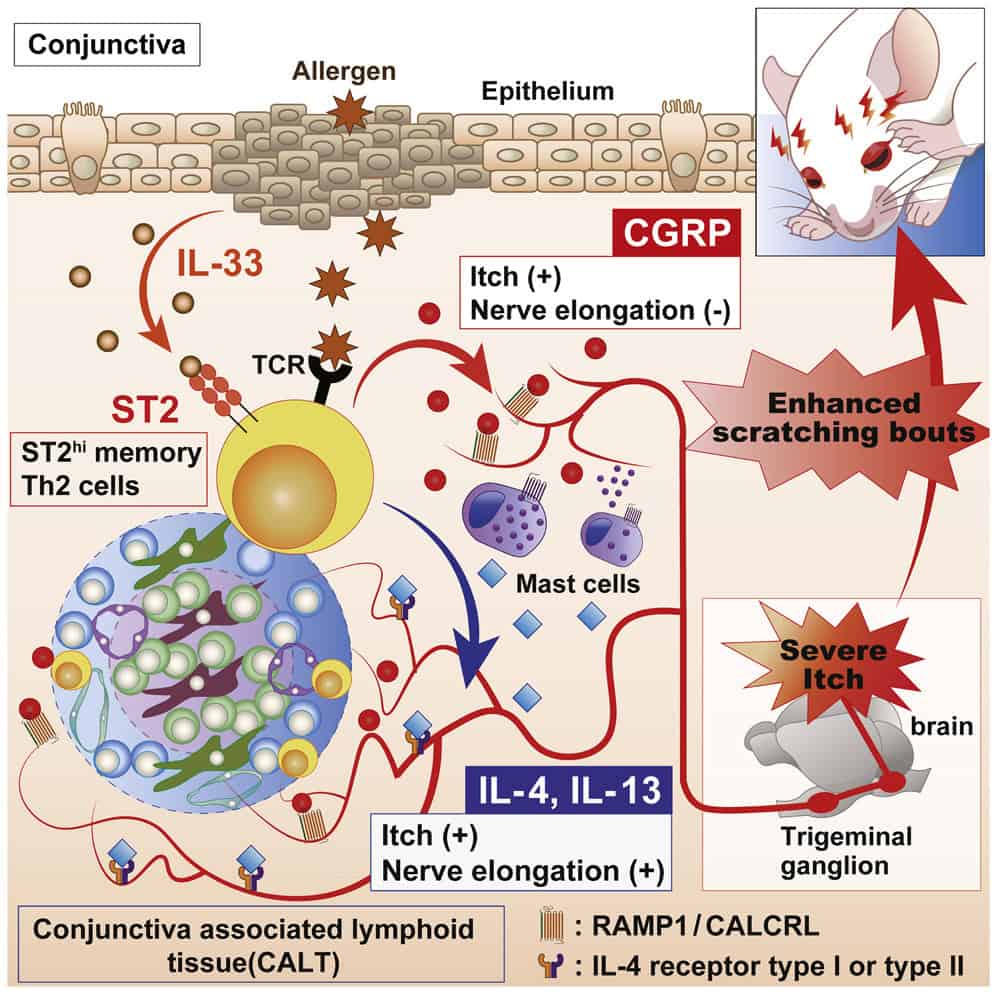
IL-33 and Tpath2 Cell Activation
IL-33 is a powerful inducer of pathogenic memory Th2 cell activity. Binding of IL-33 to the ST2 receptor enhances:
- IL-5 production
- Eosinophilic recruitment
- Airway inflammation
- Chronic allergic responses
The IL-33/ST2/p38 MAPK signaling axis is now considered a major pathway driving chronic Th2-mediated inflammatory diseases.
Th2 Cells in Allergic Diseases
Asthma
Asthma is one of the most extensively studied Th2-mediated diseases. It is characterized by:
- Airway inflammation
- Eosinophil infiltration
- Mucus hyperproduction
- Airway hyperresponsiveness
- Bronchial remodeling
Th2 cytokines IL-4, IL-5, and IL-13 are central mediators of asthma pathogenesis.
Therapeutic Targeting of Th2 Cytokines
Several biologic therapies targeting Th2 pathways have demonstrated clinical success, including monoclonal antibodies against:
- IL-5
- IL-13
- IL-4 receptor signaling
These therapies significantly reduce eosinophilic inflammation and improve disease control in severe asthma patients.
Transcription Factors Involved in Allergic Inflammation
Several transcription factors regulate Th2-mediated pathology:
STAT6
Controls IL-4 and IL-13 signaling and promotes allergic airway inflammation.
GATA3
Acts as the master regulator of Th2 cytokine expression and allergic responses.
NF-κB
Regulates inflammatory cytokines, chemokines, and airway remodeling pathways.
IRF4 and Bach2
Participate in balancing Th2 differentiation and chronic inflammatory responses.
Targeting these transcription factors represents an emerging therapeutic strategy for allergic diseases.
Future Perspectives in Th2 Cell Research
Recent advances in immunology have dramatically expanded understanding of Th2 cell differentiation, epigenetic regulation, and pathogenic memory T-cell populations.
The discovery of pathogenic Tpath2 cells provides new insights into chronic allergic inflammation and offers promising opportunities for targeted therapies in diseases such as:
- Asthma
- Atopic dermatitis
- Eosinophilic gastrointestinal disorders
- Chronic rhinosinusitis
Future research focusing on epigenetic modulators, transcription factor complexes, cytokine signaling pathways, and tissue-resident memory Th2 cells may lead to the development of more selective and effective treatments for chronic inflammatory diseases.
Understanding the molecular biology of Th2 cells therefore remains essential for improving modern immunotherapy and precision medicine approaches in allergic and inflammatory disorders.